


Why Compost Comes Alive Over Time and What It Means for Plants | Dr. Mani's Magic
Why Compost Comes Alive Over Time (And What That Means for Your Plants)
Picture a forest floor. Nobody waters it. Nobody fertilizes it. Nobody sprays it with anything. Yet it explodes with life every single spring. Towering trees. Thick undergrowth. Mushrooms pushing up through the dark, rich soil. You can smell the earth after rain. That deep, clean, almost sweet smell. You know the one.
Now picture the sad little bag of compost you brought home from the hardware store last fall. You ripped it open, dumped it on your garden bed, and waited. And waited. And wondered why your tomatoes still looked tired. Why your roses still yellowed. Why nothing seemed to pop the way it does in that forest. Here is what nobody told you: compost is not a product. It is a process. And most of the compost sold in bags never gets to finish that process. It gets cut short. Bagged up. Put on a shelf. Sold to you before the magic ever really happens.
This article is going to show you exactly why compost comes alive over time, what creatures are doing the work inside that pile, and how understanding this changes everything about the way you grow plants. Whether you have a potted lemon tree on your patio, a raised vegetable bed, a half-acre lawn, or a houseplant collection crowding your kitchen windowsill, this is the story behind every thriving garden you have ever admired.

Plant Super Boost
Key Takeaways
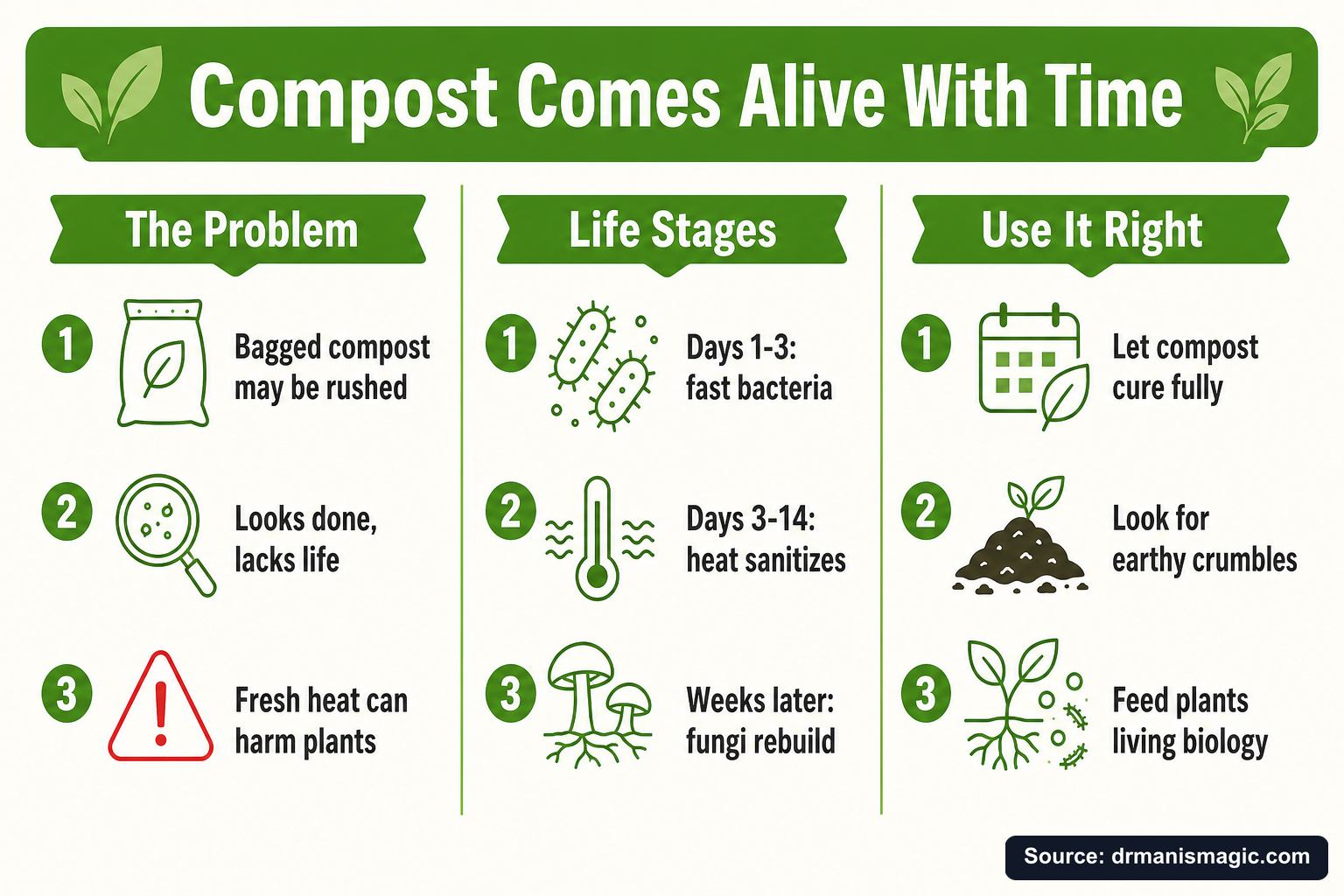
- Compost does not become alive all at once. It goes through stages, with different microbes taking over at different times, like a biological relay race.
- The "curing phase" after the hot stage is when true microbial diversity rebuilds. Skipping it means you get a finished-looking product that is biologically incomplete.
- Finished compost is not just a nutrient source. It is a living habitat packed with bacteria, fungi, protozoa, nematodes, and more.
- Hot, fresh compost can actually harm plants. Mature, cured compost feeds them safely and deeply.
- Most bagged and bottled microbial products fail because the microbes are either dead, dried, or drowning in an anaerobic stew that smells like a swamp.
- The Three Plant Pillars, developed and proven across 250,000+ trees at US Citrus Nursery in South Texas, show that live microbes are one of the most critical pieces of the growing puzzle.
- You can bring the power of mature, living compost biology to any plant, any garden, any soil, without building your own compost pile from scratch.
What Does It Actually Mean for Compost to "Come Alive"?
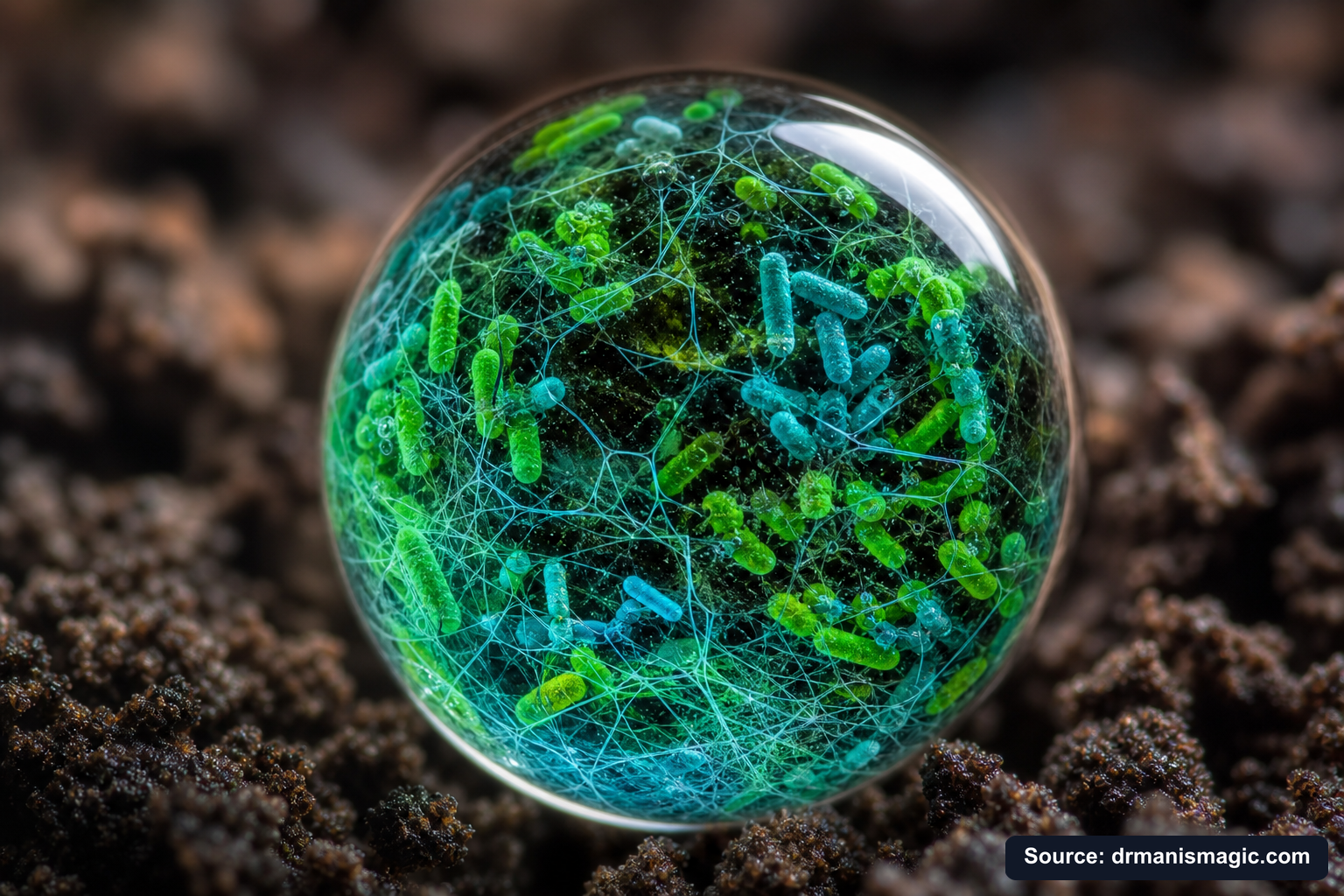
Quick Answer: Compost comes alive when billions of beneficial microbes, including bacteria, fungi, protozoa, and nematodes, colonize the decomposing organic matter and begin working together. This biological activity is what transforms a pile of scraps into a rich, earthy, plant-feeding powerhouse. The organisms are invisible, but their effects are unmistakable.
Most people think of compost as rotting stuff. Technically, yes. But there is a big difference between rotting and the kind of controlled, organized biological activity that happens inside a well-managed compost pile.
Think of it like this. Your gut is full of bacteria. Trillions of them. And those bacteria help you digest food, fight off illness, and absorb nutrients. Without them, food just sits there and causes problems. Compost works the same way. The organic matter is the food. The microbes are the digestive system. And together they produce something extraordinary: dark, crumbly, earthy-smelling material that plants absolutely love.
Cornell University's composting resources describe finished compost as not just organic matter but a complete biological community, including bacteria, fungi, actinomycetes (a type of soil bacteria that smells like fresh earth), protozoa, nematodes, and larger decomposers like earthworms. Cornell Composting has documented this community structure for decades. It is not a simple product. It is a living ecosystem.
And like any ecosystem, it takes time to build.
What Is the Compost Food Web Timeline and Who Shows Up First?
Quick Answer: The compost food web unfolds in stages over days, weeks, and months. Fast-burning bacteria arrive first and eat simple sugars. Then heat-loving bacteria take over and sanitize the pile. Finally, fungi, protozoa, and nematodes move in during the cooling and curing phase, creating the diverse biological community that actually feeds your plants.
Here is the timeline most people never see explained anywhere. It is a biological story with a beginning, a middle, and a payoff.
Days 1 to 3: The Fast Starters (Mesophilic Bacteria)
The moment you add food scraps, grass clippings, and carbon material to a pile, fast-growing bacteria get to work immediately. These are called mesophilic bacteria, meaning they love moderate temperatures, around 50 to 100 degrees Fahrenheit. They go after the easy food first: sugars, starches, and proteins. They multiply fast. They eat fast. And they generate heat as a byproduct of all that activity.
Days 3 to 14: The Heat Wave (Thermophilic Bacteria)
As the mesophiles generate heat, the pile warms up fast. Sometimes past 130 or even 160 degrees Fahrenheit. At those temperatures, a new crew takes over: thermophilic bacteria. These heat-lovers dominate the hot phase and do something incredibly important. They kill off pathogens, weed seeds, and harmful organisms. This is the sanitation phase. It is the compost pile cleaning itself from the inside out.
A pile at 140 degrees Fahrenheit for several days kills most plant pathogens and weed seeds, according to NC State Extension's composting resources. That is not a coincidence. It is biology doing its job.
Weeks 2 to 6: The Cooling and Fungi Takeover
Once the easy food is consumed and the hot phase winds down, the pile cools. This is when something remarkable happens. Fungi move in. You can actually see white threads, called mycelium, spreading through the pile. Actinomycetes join them. These are the organisms responsible for that rich, earthy smell you associate with healthy soil. They break down the tougher stuff: woody fibers, cellulose, and lignin that bacteria alone cannot touch.
Weeks 6 and Beyond: The Curing Phase (Where the Real Magic Happens)
This is the phase most people skip. The pile looks done. It is dark. It smells earthy. So they bag it up and sell it, or dump it straight on the garden. But the biology is not finished yet.
During curing, protozoa and nematodes move back in. These are the grazers of the microbial world. They eat bacteria and fungi and, in doing so, release nutrients in plant-available forms. This is called nutrient mineralization. It is one of the most important processes in all of soil science.
NC State Extension specifically notes that longer curing periods support more diverse microbial communities and allow beneficial organisms to recolonize after the heat sanitation phase. Skipping curing means you get a product that looks like compost but acts like a biology-depleted imitation of it.
| Phase | Timeframe | Dominant Organisms | What They Do | Temperature |
|---|---|---|---|---|
| Early Active | Days 1–3 | Mesophilic bacteria | Eat sugars, starches, proteins; generate heat | 50–100°F |
| Hot Phase | Days 3–14 | Thermophilic bacteria | Kill pathogens and weed seeds; break down proteins | 130–160°F |
| Cooling Phase | Weeks 2–6 | Fungi, actinomycetes | Break down tough fibers; create earthy smell | 80–100°F dropping |
| Curing Phase | Weeks 6–16+ | Protozoa, nematodes, earthworms | Graze on bacteria and fungi; release plant-available nutrients | Ambient |
| Finished Compost | Months 4+ | Full diverse community | Stable biology; feeds soil food web after application | Ambient |
Why Do Protozoa and Nematodes Matter in Compost Biology?
Quick Answer: Protozoa and nematodes are the grazers of the compost world. They eat bacteria and fungi, and when they do, they release nutrients in a form plant roots can absorb directly. Without them, nutrients stay locked inside microbial cells. With them, the soil becomes a self-feeding, nutrient-cycling machine.
These two organisms almost never get mentioned in gardening articles. That is a shame, because they are a critical link in the nutrient chain.
Here is a simple way to picture it. Imagine bacteria as tiny nutrient sponges. They soak up nitrogen, phosphorus, and minerals from the organic matter they eat. But those nutrients are locked inside the bacterial cells. Plants cannot get to them directly.
Now along come protozoa. They eat the bacteria. And when they eat them, the nutrients the bacteria were holding get released into the soil water in plant-available form. Nematodes do the same thing one step up the chain. They eat the protozoa. Each act of grazing releases more nutrients for the plant roots nearby.
This is why mature, cured compost outperforms hot, fresh compost almost every single time. The hot phase kills pathogens. But the curing phase builds the nutrient-cycling food web. Both matter. Both take time.
See also: The Hidden Reason Synthetic Fertilizers Cause Root Rot
Is Fresh Compost or Cured Compost Better for Your Plants?
Quick Answer: Cured compost is almost always better for direct plant use. Fresh, hot compost can burn roots, steal nitrogen from the soil as it finishes breaking down, and even introduce plant-harmful compounds. Cured compost is biologically stable, nutrient-available, and safe for roots. Think of it as the difference between raw dough and baked bread.
This is one of the most common mistakes gardeners make. They buy or make compost, and the moment it looks dark and crumbly, they think it is ready. But looks can fool you.
Unfinished compost can actually rob your plants. Here is why. Microbes still actively breaking down tough carbon materials need nitrogen to do their work. If that compost goes into your soil before the process is complete, the microbes will pull nitrogen out of the soil to finish the job. Your plants wanted that nitrogen. Now it is tied up feeding a decomposition process that should have been completed in the pile, not in your garden bed.
Fresh hot compost can also contain compounds called phytotoxins, natural chemicals produced during decomposition that can harm tender roots and seedlings. Time and curing break these down. Patience is not just a virtue in composting. It is a biological requirement.
How Do You Know if Your Compost Is Truly Ready?
Here is a practical checklist, backed by extension research:
- It smells like fresh earth, not ammonia or sulfur.
- It is dark and crumbly, not slimy or stringy.
- It feels cool to the touch, not warm in the center.
- You cannot identify the original materials anymore.
- A sealed bag of it does not fog up with condensation after a day.
- Seedlings planted in it do not wilt or yellow within 48 hours.
- It has no off-odors when you squeeze a damp handful.
Does Compost Add Microbes to Soil, Feed Existing Microbes, or Both?
Quick Answer: Mature compost does both. It delivers a diverse population of live microbes directly to your soil, and it feeds the native microbes already living there by providing organic matter and habitat. Think of it as both a transplant and a meal at the same time. The combination is why good compost transforms tired soil faster than any synthetic input ever could.
This is the question that separates people who get results from those who stay frustrated.
When you apply finished, cured compost to soil, you are doing two things simultaneously. First, you are introducing a community of living organisms: bacteria, fungi, protozoa, actinomycetes, and sometimes nematodes and earthworm eggs. Second, you are feeding the organisms already living in your native soil with a fresh supply of organic carbon and microbial food.
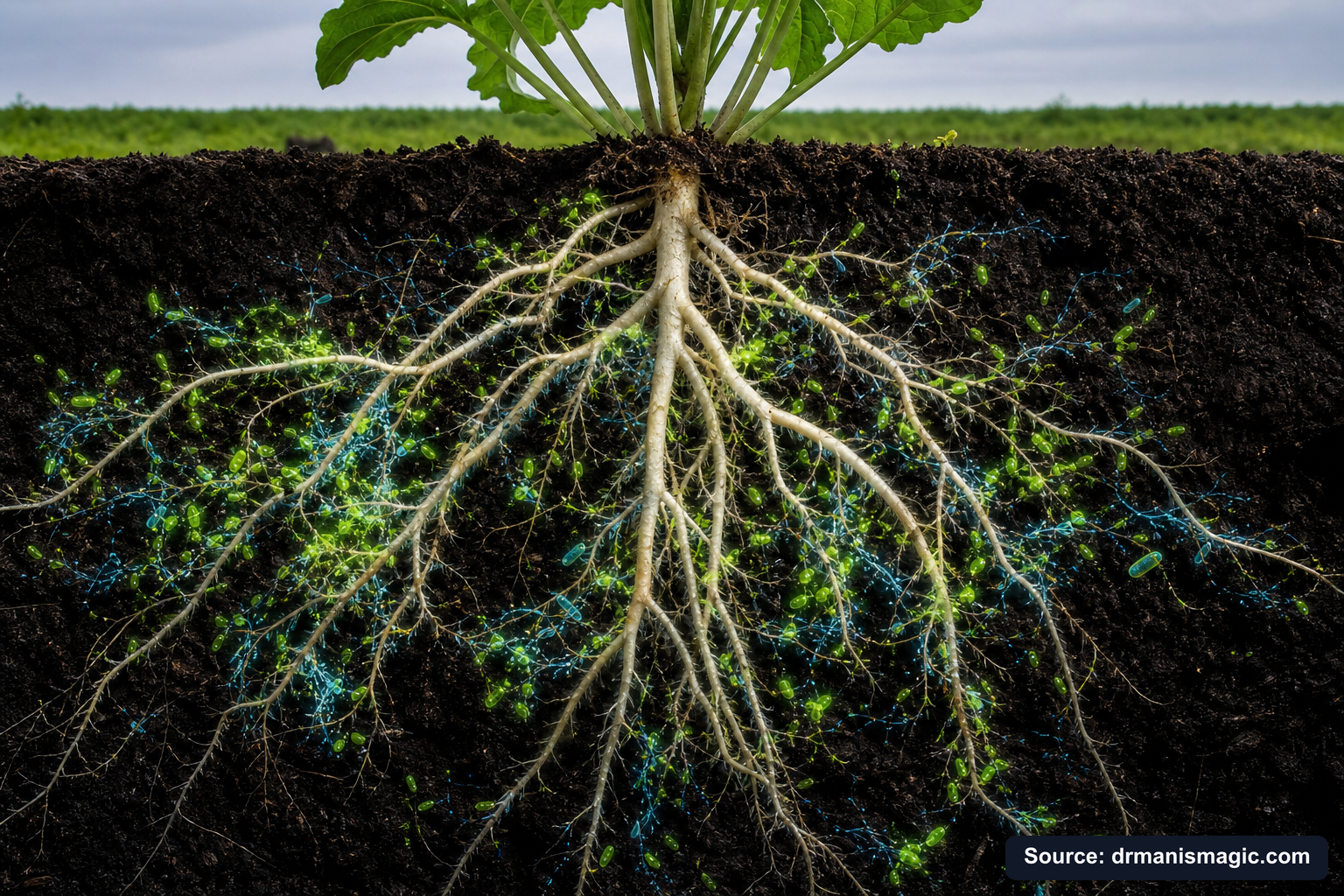
The result is a rapid boost in biological activity in your root zone. Roots find more nutrients unlocked. They encounter less competition from pathogens. They connect with fungal networks that extend their reach far beyond what the roots themselves could achieve alone.
After growing more than 250,000 trees at our South Texas nursery, we have watched this play out over and over. Trees planted in living soil with active biology simply do not compare to trees planted in sterile potting mix. The difference is visible within weeks. The roots are thicker. The leaves are greener. The fruit sets earlier and heavier.
That is not magic. That is biology doing what it has always done, when you let it.
You Never Had a Brown Thumb.
You were handed the wrong tools. This free guide hands you the right ones.
You watered it. You fed it. It died anyway.
It was never you. It was the dirt, the salt food, and the bad advice.
This guide shows you what really went wrong, and how to fix it for good.
- Why your plants really died, and why it was never your fault
- The salt hiding in your plant food that quietly burns the roots
- The hidden killer in almost every bag of store soil
- The tiny helpers that grow a whole forest for free
- The rescue trick that brings a half dead plant back to life
Why Does Most Bagged Compost and Most Bottled Microbial Products Fall Flat?
Quick Answer: Bagged compost is often cut short of full curing, reducing biological diversity. Most bottled microbial products either use lab-grown microbes dried into powder form that fail to reactivate, or they are liquid products that have gone anaerobic and smell terrible because the microbes are dying. Neither delivers what a truly living, full-spectrum microbial community can.
Here is the uncomfortable truth the gardening industry does not want to say out loud.
Most of the microbial products on garden center shelves are biologically weak. Not because the idea is wrong. The idea is brilliant. But because the execution is almost always compromised.
There are three main types of microbial products on the market today, and here is what actually happens with each one:
Type 1: Dried Powder (Lab-Grown)
Most microbial products you see are made in giant factories. Specific strains of bacteria or fungi are brewed in vats, then dried into a powder. The hope is that the dormant spores will reactivate when you add water and apply them to soil. In our experience testing dozens of these products across 250,000+ trees, they simply do not produce meaningful results. The microbes are too narrow in species, too stressed from processing, and too far from the living ecosystem they need to thrive.
Type 2: Liquid Compost Tea Gone Wrong
The second type is liquid products harvested from compost or worm castings. These start with good intentions. Fresh compost tea, applied within 24 hours while actively aerated, can be genuinely powerful. But by the time most of these products reach you, they have gone anaerobic. That means the microbes have used up all the oxygen and started dying. The telltale sign is the smell. If a microbial product smells like a swamp or a sewage treatment plant, the biology is compromised. The bottle may even hiss when you open it. That is gas from fermentation, not life.
Type 3: Lactobacillus Products
Easy to make and very vigorous, but lactobacillus actually outcompetes and crowds out the beneficial organisms you want. It belongs in yogurt. Not in your garden.
| Product Type | Microbial Viability | Species Diversity | Odor | Real-World Results | Verdict |
|---|---|---|---|---|---|
| Dried powder (lab-grown) | Low | Narrow (1–10 strains) | Minimal | Minimal to none | Avoid |
| Dry microbes rehydrated in liquid | Low | Narrow | Minimal | Minimal to none | Avoid |
| Lactobacillus-based products | High (but wrong organism) | Very narrow | Sour | Crowds out beneficial microbes | Avoid |
| Fresh compost tea (<24 hours, aerated) | Moderate to high | Broad | Earthy | Good when done correctly | Time-intensive |
| Aged compost tea (>24 hours) | Low (anaerobic) | Reduced | Strong stench | Unreliable | Not recommended |
| Fresh active compost (on-site) | High | Broad and natural | Earthy | Excellent | Best if you have time and space |
| Plant Super Boost (stabilized, full-spectrum) | High | 2,000+ bacteria species, 400–500 fungi including mycorrhizae, plus protozoa and nematodes | Earthy, not foul | Consistent across 250,000+ trees | Recommended |
What Organisms Live in the Soil Food Web and What Does Each One Do?
Quick Answer: The soil food web includes bacteria, fungi, actinomycetes, protozoa, nematodes, microarthropods, and earthworms, each playing a different role. Bacteria unlock nutrients. Fungi extend root reach and build soil structure. Protozoa and nematodes graze on microbes and release nutrients for plants. Together they form a self-sustaining system that no synthetic fertilizer can replicate.
Let us walk through the cast of characters. Because once you understand who is doing what underground, you will never look at soil the same way again.
Bacteria: The First Responders
Bacteria are the most numerous organisms in healthy soil. A single teaspoon of good garden soil can hold a billion of them. They break down organic matter, fix nitrogen from the air, solubilize phosphorus from mineral particles, and produce compounds that help roots stay healthy. Some bacteria even produce natural antibiotics that suppress plant pathogens.
Fungi: The Underground Network
Fungi do something bacteria cannot. They grow long, thread-like structures called hyphae that extend far beyond the root zone. Mycorrhizal fungi form a direct partnership with plant roots, essentially extending the root system by hundreds of times its physical size. In exchange for sugars from the plant, the fungi bring back water, phosphorus, zinc, and other nutrients from distant soil zones. Ever pull a weed and see white fuzzy threads on the roots? That is mycorrhizae, and it is why weeds grow so aggressively even in poor soil.
Actinomycetes: The Earthy Smell Makers
Actinomycetes are a group of bacteria that act a lot like fungi. They produce that unmistakable clean, earthy smell called petrichor. They break down tough materials like chitin and lignin. They produce natural antifungal and antibacterial compounds. When your soil smells good, actinomycetes deserve some of the credit.
Protozoa: The Nutrient Releasers
Protozoa are single-celled grazers. They eat bacteria. And when they do, they release the nitrogen and other nutrients locked inside those bacterial cells into the soil water in forms plant roots can absorb immediately. Protozoa are a critical link between the microbial world and the plant world.
Nematodes: The Overlooked Regulators
Beneficial nematodes eat bacteria, fungi, and protozoa, releasing even more nutrients and helping regulate the populations of each organism in the food web. They also prey on some harmful soil insects. Not all nematodes are harmful. Most are neutral or beneficial. The soil food web needs them.
Earthworms and Microarthropods: The Physical Crew
Earthworms are essentially living tillers. They pull organic matter deep into the soil, create channels for water and air, and produce castings that are extraordinarily rich in plant-available nutrients. Microarthropods, including mites and springtails, shred organic material into smaller pieces that bacteria and fungi can more easily consume.
For a deeper look at how the Three Plant Pillars use living biology as the foundation of plant health, start with the framework Dr. Mani developed over four decades of hands-on growing.
How Do Synthetic Fertilizers and Pesticides Destroy This Living System?
Quick Answer: Salt-based synthetic fertilizers create a high-salt environment in the soil that harms or kills beneficial bacteria and fungi. Broad-spectrum pesticides and herbicides also kill soil microbes indiscriminately. The result is a biologically depleted soil that looks fed on the surface but is actually starving underneath, becoming dependent on repeated chemical inputs to survive.
Here is the part of the story that nobody in the fertilizer aisle wants you to know.
Most of the fertilizers sold at big box stores are salt-based. They are made from synthetic compounds that dissolve quickly in water and flood the root zone with concentrated salts. The plant gets a quick hit of nutrients. The leaves green up. You feel like it is working. But underneath, something is dying.
High salt levels in soil are toxic to beneficial bacteria and fungi. Not eventually. Immediately. The same microbes that would naturally unlock nutrients, build soil structure, suppress disease, and extend root reach are being wiped out with every application of salt-based fertilizer. And once they are gone, the plant becomes entirely dependent on your next bag of fertilizer to survive. The soil biology that should be doing that work is gone.
It is not your fault. This system has been sold to American gardeners since the 1950s. The green revolution brought synthetic fertilizers to the market, and the first ones to market shaped the entire conversation. But the science has never been on their side when it comes to long-term soil and plant health.
Glyphosate-based herbicides have been shown in multiple studies to disrupt microbial communities. Broad-spectrum fungicides kill beneficial fungi right alongside harmful ones. Every time you spray or apply these inputs, you are setting back the biological clock in your soil.
The good news is that biology is resilient. It wants to come back. You just have to stop poisoning it and start feeding it.
See also: Why Most Fertilizers Are Actually Salt in Disguise
Live Microbes vs. Dried Microbes: Why Does the Difference Matter So Much?
Quick Answer: Live, active microbes can immediately colonize roots, cycle nutrients, and suppress pathogens. Dried or dead microbes cannot do any of that. The difference is like the difference between hiring a trained crew and sending a photograph of one. The photograph looks good. It just does not actually do any work.
This is the core issue with most microbial products on the market today, and it matters enormously.
When Dr. Mani Skaria, Professor Emeritus of Plant Pathology and founder of the Texas Clean Citrus Program, began testing microbial products on the trees at US Citrus Nursery, he tested dozens of different commercial products. Powders. Liquids. Granules. Products with impressive labels and long lists of organism names.
Most of them did nothing measurable.
The ones that worked were the ones that contained genuinely live organisms, harvested from mature, biologically active compost sources and stabilized so they did not die before reaching the plant.
That discovery led directly to the development of Plant Super Boost. It is a full-spectrum microbial formula, harvested from natural compost rather than grown in a laboratory vat. The organisms in it include over 2,000 strains of bacteria, 400 to 500 species of fungi including mycorrhizae, plus protozoa and nematodes. The entire food web in a bottle.
And it does not smell bad. That is important. If a microbial product smells like rot or sewage, the microbes are dying or dead. Plant Super Boost has a clean, earthy smell because the organisms inside it are alive and stable, not fermenting into anaerobic decay. You can actually place a drop under a microscope and see the microbes moving. Lab analyses confirm it. This is not marketing language. It is verifiable biology.
Zero PFAS. Zero biosludge. Zero synthetic salts. Comes with a 30-day money-back guarantee because the results speak for themselves.
What Can You Actually Do Right Now to Bring Your Soil Alive?
Quick Answer: Stop using salt-based synthetic fertilizers and broad-spectrum pesticides. Add a source of live, diverse microbiology to your soil. Feed those microbes with organic matter. Give them time and repeated applications to rebuild a community that your plants can rely on season after season. Recovery is real and it starts faster than most people expect.
Whether your soil has been farmed with chemicals for decades or you just moved into a new house with compacted clay and zero biological activity, the path forward is the same. Here is the practical recovery checklist:
- Stop the harm first. Discontinue salt-based synthetic fertilizers, broad-spectrum herbicides, and synthetic fungicides. Every application sets back the biological recovery clock.
- Add live microbial biology. Apply a full-spectrum liquid microbial inoculant monthly. This reintroduces the organisms your soil has lost and starts rebuilding the food web immediately. Look for products that smell earthy, not foul.
- Feed the biology with organic matter. Compost, wood chip mulch, cover crops, and organic fertilizers all serve as food for your microbial community. No food, no microbes. No microbes, no plant health.
- Switch to organic, slow-release fertilizer. Organic fertilizers feed the soil food web and the plant simultaneously. They do not spike salt levels. They work with your microbes instead of against them.
- Give it time and consistency. Soil biology does not rebuild overnight. But with monthly microbial applications and consistent organic inputs, most gardeners see visible improvement within a few weeks and dramatic changes within a season.
- Reduce soil disturbance where possible. Tilling destroys fungal networks. Let the soil rest and let the organisms rebuild their structure undisturbed whenever you can.
- Check your soil foundation. If you are growing in containers, make sure your potting mix is not the kind that compacts into a root-suffocating sludge. Mineral-based soil that does not decompose gives roots the air and drainage they need to thrive alongside a living microbial community.
The Free Plant Care Field Guide from Dr. Mani's Magic walks through all three pillars in plain language and tells you exactly what to use, when to use it, and how to know it is working.
Why Does This All Matter More Than You Might Think Right Now?
Here is the thing nobody says out loud in the gardening world.
Time is the one resource you cannot get back. Money lost on a bad bag of fertilizer is annoying. Time lost watching a tree struggle for years because the soil biology was never right, that is something else entirely. The number one thing people tell Dr. Mani they want is to see their garden or their trees actually producing the way they imagined when they first planted them, while they still have the years to enjoy it.
Every season you spend fighting a biologically dead soil is a season you will not get back. Every year you wait to rebuild the living foundation beneath your plants is a year of fruit, flowers, and thriving growth that simply does not happen.
The forest does not wait. It builds its biology continuously, layer by layer, year after year. That is why it is so relentlessly alive. That is why you can smell it. Feel it. See it explode with growth every spring without a single bag of fertilizer or a single spray of anything.
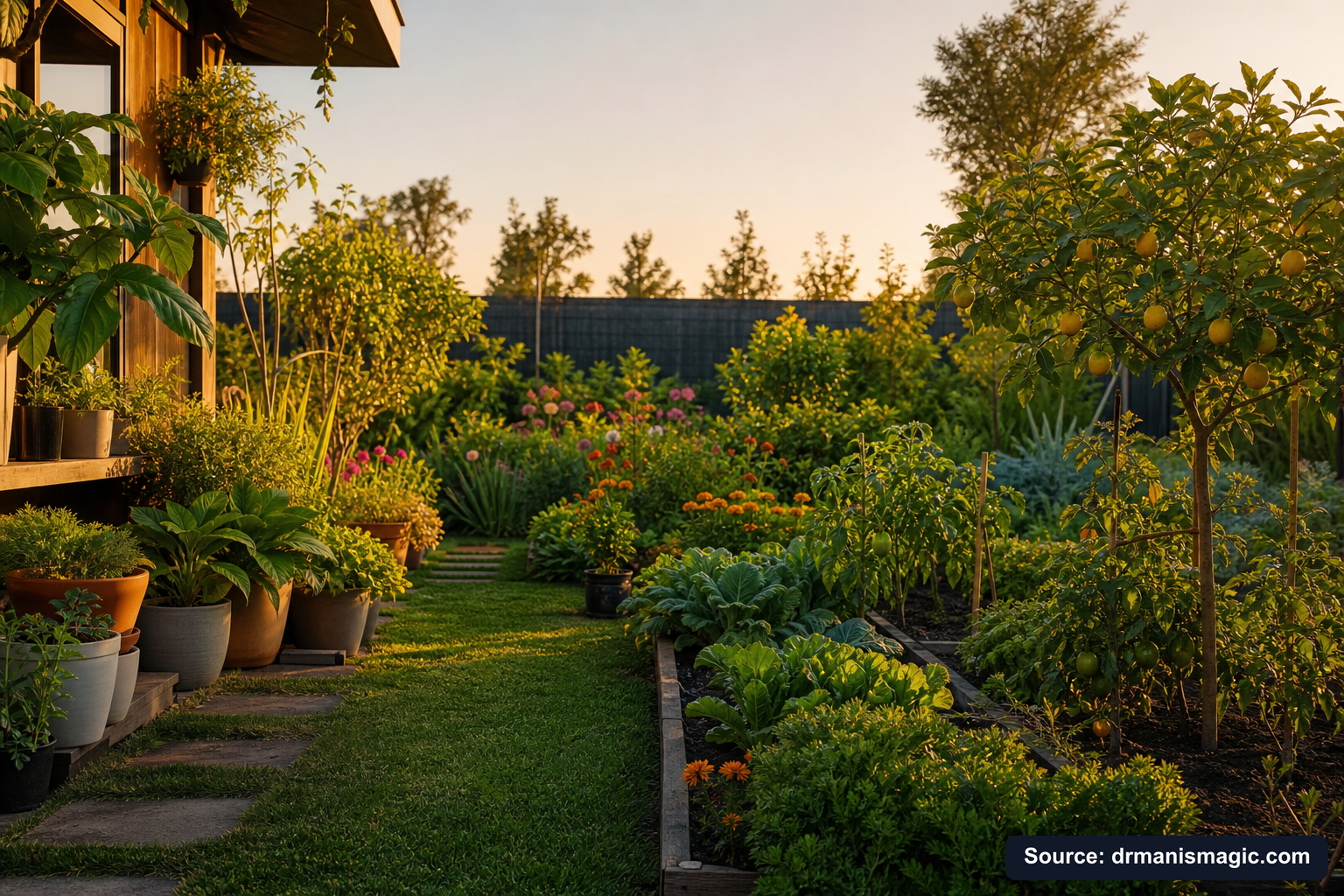
You can have that same energy working for your garden, your lawn, your houseplants, your fruit trees, and your raised beds. Not through complicated chemistry. Through biology. Through the same invisible workforce that has been making things grow since the beginning of time.
Compost comes alive over time because life, given the right conditions, always finds a way to build something extraordinary. Your job is simply to stop getting in its way, and to give it the living tools it needs to start.
If you are ready to bring that biology directly to your plants without building your own compost pile, spending months waiting, or sorting through products that smell like decay and do not deliver, take a look at what the team at Dr. Mani's Magic has built. Everything in the Three Plant Pillars system was created to solve this exact problem, tested on over 250,000 trees, and made right here in the USA.
Your plants have been waiting for this. So have you.
Frequently Asked Questions
Compost is one of the most misunderstood tools in gardening. Most people use it wrong, store it wrong, or skip it entirely. These questions come up again and again from real gardeners who want their plants to actually thrive. Dr. Mani has spent over 30 years growing 250,000-plus trees in South Texas, and the answers below are grounded in what actually works.
How long does compost stay good, and how should I store it?
Compost is at its best within the first six to twelve months. After that, it loses nitrogen and microbial activity fast. Store it in a cool, shaded spot in a breathable container, never sealed tight in plastic in the heat. Once it goes into your soil, its benefits last one to three growing seasons. That said, compost alone is not enough. Without live microbes already in your soil, nutrients stay locked up where roots cannot reach them. That is exactly why Dr. Mani built Plant Super Boost, a bottle of living bacteria, fungi, and mycorrhizae that work the moment they hit your soil.
What are the biggest downsides of composting at home?
Composting takes time, space, and attention. Get the carbon-to-nitrogen ratio wrong and your pile turns into a slimy, smelly mess. Open piles attract pests. Full decomposition can take months. And if you toss in diseased plants or chemically treated yard waste, you can poison the very soil you are trying to heal. That is a lot of work with a lot of ways to go wrong. Dr. Mani designed Plant Super Boost to give you the living microbial power of finished compost without building a single pile.
What is the Amish composting method?
The Amish use a fast, closed-loop system built on layering two parts brown material like straw and leaves with one part green material like kitchen scraps and manure. They keep it moist like a damp sponge, turn it often to keep oxygen moving, and add a sprinkle of fresh manure to kick-start the microbes. Done right, it produces rich, dark compost in about fourteen days. The key is the same principle behind Dr. Mani's Three Plant Pillars: living microbes doing the heavy lifting.
What three things should I never put in my compost pile?
Keep these out of your pile every time. First, meat, fish, bones, dairy, and oily foods. They rot badly, smell terrible, and attract animals. Second, dog or cat waste and human waste. They carry dangerous pathogens that survive composting temperatures. Third, yard trimmings sprayed with pesticides or herbicides. Those chemicals do not disappear in the pile. They carry right into your soil and wipe out the beneficial microbes your plants depend on, which is the exact opposite of what the Three Plant Pillars stand for.
Do potato peelings in compost attract rats?
Yes, they do. Rats follow the smell of decomposing kitchen scraps, and potato peelings are a magnet. If you compost them, use a solid-sided bin with a tight lid, place hardware cloth underneath to block burrowing, or bury peelings at least six inches deep using trench composting. Hot composting at 130 to 160 degrees Fahrenheit breaks scraps down fast enough to reduce the attraction. Raw peelings left exposed on the surface are an open invitation for trouble.
Can I still use five-year-old compost?
You can, but manage your expectations. Very old compost has lost most of its nitrogen and much of its microbial life. It works fine as a mulch or basic soil conditioner, but it will not feed your plants the way fresh, biologically active material does. If you are going to use old compost, pair it with a living microbial product like Plant Super Boost to wake the soil back up. Dead or depleted compost without live microbes is just organic filler. Your plants need the biology, not just the bulk.
Why do most bagged compost and bottled microbe products fail?
Most bagged compost gets cut short in the curing process. It looks finished but the biology never fully develops. Most bottled microbial products are even worse. The microbes are either dead, freeze-dried into uselessness, or drowning in an anaerobic liquid that smells like sewage. Dr. Mani solved this with Plant Super Boost. Our compost expert uses a special all-natural stabilization method that keeps live bacteria, fungi, and mycorrhizae alive in the bottle and ready to work the moment you pour them on your plants. No stink. No dead biology. Just real results, proven across 250,000-plus trees.
About the Author
Dr. Mani Skaria, PhD
Dr. Mani Skaria, PhD, is a plant pathologist and the scientific founder of Dr. Mani's Magic. He earned his doctorate at Purdue University and spent 48 years studying how plants, soil, and living microbes work together, including his years as Professor Emeritus at Texas A&M and as a member of the USDA NAREEE Advisory Board. He invented micro-budding, a method for growing healthier, stronger trees, and has grown more than 250,000 trees on the family farm in Hargill, Texas - US Citrus Nursery. His life's work takes real lab science and practical experience and turns it into simple, safe, organic plant care anyone can use at home.


