


Why Real Soil Is Built From Sand and Stone, Not Wood | Dr. Mani's Magic
Why Real Soil Is Built From Sand and Stone, Not Wood
Picture this. You walk outside on a Saturday morning, coffee in hand, to check on the potted citrus tree you paid good money for. It looked incredible when it arrived. Glossy leaves. Strong trunk. The promise of fruit hanging in your imagination like a dream.
But something is wrong. The leaves are yellowing at the edges. A few have dropped overnight. You pick up the pot and it feels lighter than it should. You stick your finger in the soil and it feels... wrong. Dry on top, but almost sour-smelling underneath. Spongy. Like wet cardboard left in a garage. You think, "Did I overwater it? Did I underwater it?" You Google it at 11pm. You get seventeen different answers. You try a new fertilizer. Nothing changes. Three months later, the tree is gone.
Here is the part nobody told you: the tree was never going to make it. Not because of what you did or didn't do. But because of what it was planted in. What the nursery, the big box store, or the well-meaning garden center sold you as "soil" was not soil at all. It was dead wood. Ground-up pine bark. Sawdust with a fancy label. And that dead wood had one job: to look good in the bag long enough for you to buy it. After that? You were on your own. Today, we are going to fix that. For good.
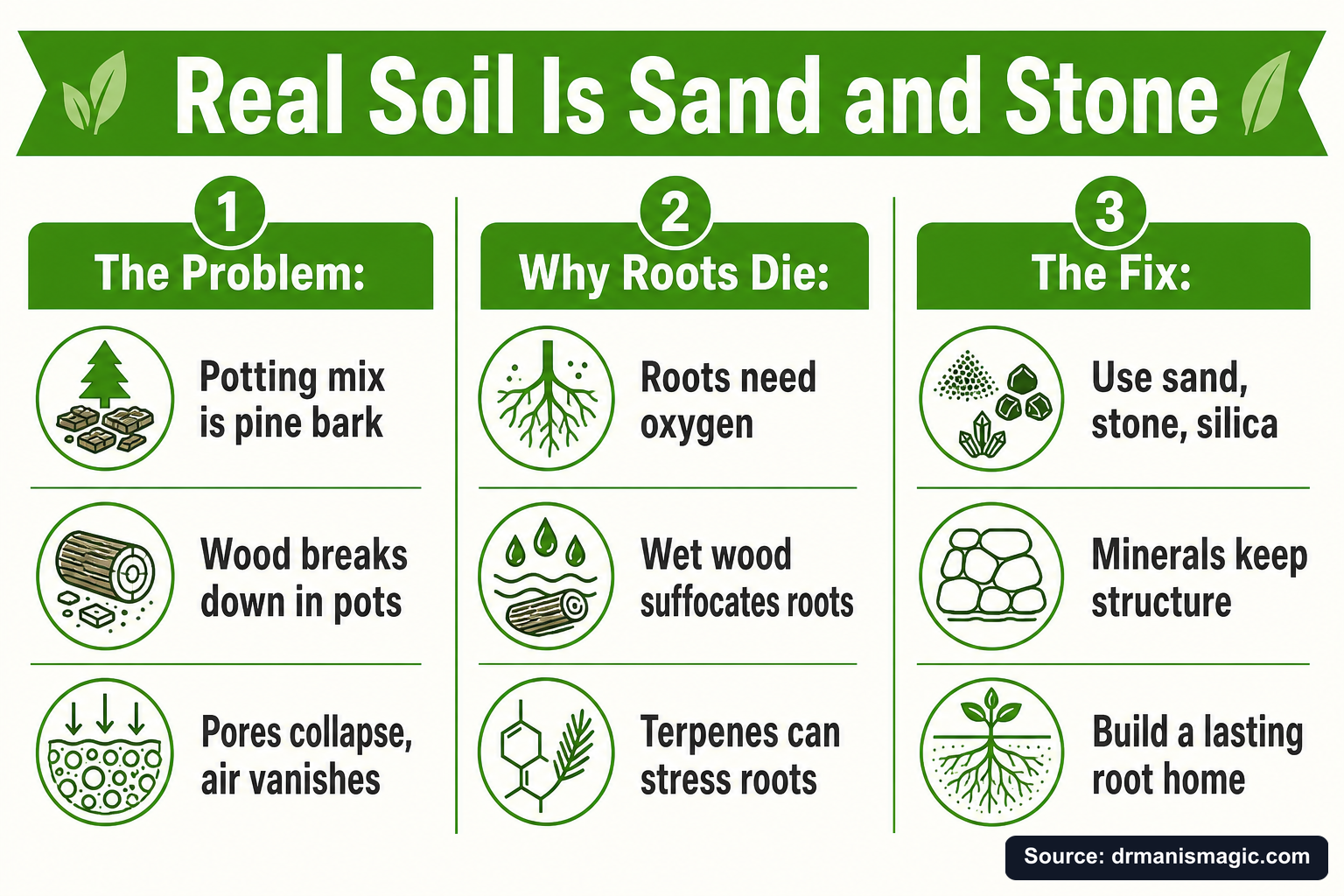
Key Takeaways
- Most potting mix is pine bark sawdust, not real soil. It decomposes, collapses, and suffocates roots.
- Real soil has a mineral skeleton made of sand, stone, and silica. These materials do not decompose. They hold structure forever.
- Roots need oxygen as much as you do. When decomposing wood fills the pore spaces, oxygen disappears and roots die from the inside out.
- This is the hidden cause behind most plant deaths, yellow leaves, root rot, and the frustrating "I did everything right" mystery.
- Pine bark contains natural chemicals called terpenes. These are the same compounds in Pine-Sol and turpentine. Not exactly root-friendly.
- Mineral-based soil does not break down over time. It is a permanent investment in your plant's home, not a short-term fix.
- The Three Plant Pillars, developed and proven on 250,000+ trees at US Citrus Nursery in South Texas, start with mineral soil as the foundation.
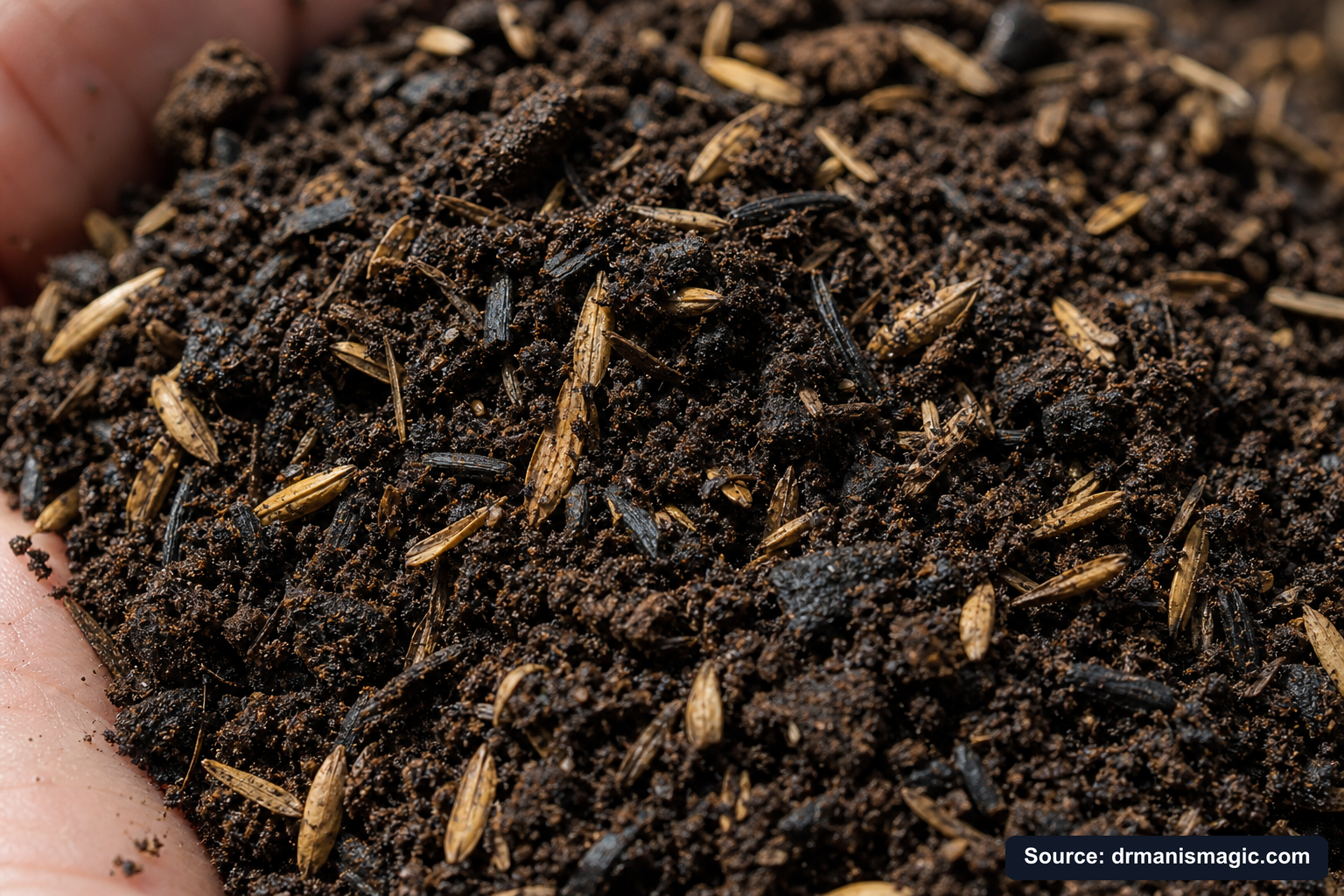
What Is "Potting Mix" Actually Made Of?
Quick Answer: Most commercial potting mix is made primarily from pine bark sawdust, a cheap waste product from the timber industry. It is lightweight, easy to bag, and profitable to sell. But it is not soil. It is dead organic material that decomposes inside your pot, steals oxygen from roots, and collapses within months.
The name "potting mix" is one of the great marketing tricks in gardening history. It sounds like soil. It looks like soil. It even smells earthy when it is fresh. But call it what it is: you are planting your precious tree in other dead trees.
Here is how it happened. The southeastern United States has enormous pine forests. The timber industry produces massive amounts of bark waste when processing logs. Somebody had a brilliant idea. Grind it up, bag it, call it potting mix, and sell it to gardeners. It is cheap. It is lightweight. It ships easily. Nurseries love it because it keeps plant roots just barely alive long enough to get from the greenhouse to your cart at the store.
But here is what those bags never tell you.
Fresh pine bark is chemically aggressive. Pine trees produce natural compounds called terpenes and terpenoids. You already know these chemicals. Pine-Sol is made from them. Turpentine is one of them. They are powerful enough to strip paint and clean floors. Now imagine those compounds sitting against your plant's roots 24 hours a day.
To reduce that harshness, manufacturers let the pine bark sit in giant outdoor piles for months or years, letting it partially decompose. That decomposition makes the chemicals milder. But decomposition also means the material has already begun breaking down before it ever reaches your hands. The clock is already ticking the moment you open the bag.
And there is one more trick. Dry sawdust naturally repels water. Wood is hydrophobic. So manufacturers add surfactants, synthetic chemicals that help the wood hold moisture. That is why fresh potting mix seems to absorb water beautifully. But those surfactants wash out over time. After six months to a year, old potting mix turns into something that repels water like a waxed raincoat. You water it and the water runs straight down the sides of the pot without ever reaching the roots. Then the top looks wet while the roots are bone dry. Sound familiar?
According to Clemson University's Home and Garden Information Center, pine bark-based mixes are considered "soilless" media, not soil. They are designed for short-cycle crops, not long-lived perennial plants. The distinction matters enormously.
Why Do Roots Need Oxygen More Than Almost Anything Else?
Quick Answer: Plant roots breathe oxygen just like you do. They use oxygen to power the cellular processes that absorb water and nutrients. When soil pore space fills with water or collapses from decomposition, oxygen disappears. Without oxygen, roots stop functioning, begin to decay, and open the door to root rot pathogens.
This is the part that surprises most people. We know plants take in carbon dioxide through their leaves. So it seems logical that the roots would like carbon dioxide too, right? Wrong. Roots run on oxygen.
Think of it this way. You breathe air in through your nose and mouth. Your roots breathe air in through the soil. If you buried your face in wet sawdust, you would not last long. Neither do your roots.
Soil scientists call this "air-filled porosity." It is the percentage of the soil volume that holds air after water has drained through. Healthy root zones need significant air-filled porosity to deliver oxygen continuously to the root tips. According to UC Agriculture and Natural Resources, oxygen depletion in the root zone is a primary driver of root asphyxiation and the disease conditions that follow, including Phytophthora and Fusarium root rot in citrus.
Here is the chain reaction that kills most container plants:
- Potting mix starts decomposing inside the pot.
- Decomposition is itself an oxygen-consuming process. Microbes eating the wood use up oxygen as they work.
- The particles get smaller and smaller as the wood breaks down into fines.
- Those fines pack together, closing off the pore spaces that used to hold air.
- Water can no longer drain freely. It sits in those collapsed spaces.
- Oxygen drops to near zero in the root zone.
- Roots begin to suffocate. They turn brown and slimy.
- Pathogenic fungi move in and finish the job.
This is what root rot actually is. Not overwatering. Not underwatering. Oxygen starvation followed by disease. The water is just the last straw on a structure that was already failing.
What Makes Mineral Soil Different From Wood-Based Potting Mix?
Quick Answer: Mineral soil is made from sand, stone, silica, and inorganic particles that do not decompose. Because they do not break down, they hold their shape and size permanently. Pore spaces stay open. Oxygen keeps flowing. Roots stay healthy for years, not months.
Walk out into an open field somewhere in South Texas. Dig down a few inches. What you find is not fluffy, dark, wood-chip material. It is sandy loam. Gritty. Mineral. Heavy with silica. It feels almost like rough beach sand mixed with fine particles of stone.
That is what real soil looks like at its skeleton level.
In nature, soil is built over thousands of years by the weathering of rock. Wind, rain, and temperature break stone down into smaller and smaller particles: gravel, coarse sand, fine sand, silt, and clay. Organic matter, like fallen leaves and decomposed roots, is the seasoning on top. It adds nutrients and feeds soil biology. But the permanent structure, the architecture that holds everything up, is made of mineral particles.
Mineral particles do not decompose. Sand is silica. Silica is glass. Glass does not rot. It does not shrink. It does not collapse. It holds its shape for centuries.
This is the key insight that most gardening advice misses completely. When we talk about "well-draining soil," we are really talking about the geometry of space. Coarse mineral particles stack together with gaps between them. Those gaps are the pore spaces. Air fills the pore spaces. Roots grow into the pore spaces. Water moves through the pore spaces and drains away. As long as the particles hold their shape, those gaps stay open. Forever.
After growing more than 250,000 citrus trees at US Citrus Nursery in South Texas, Dr. Mani Skaria saw this pattern repeat hundreds of thousands of times. Trees planted in mineral-based sandy loam thrived for years. Trees planted in bark-heavy commercial mixes declined predictably. Not sometimes. Every time, eventually.
That is why Pillar One of the Three Plant Pillars is mineral-based soil. Not because it sounds good on paper. Because 30 years of real-world testing proved it works.
| Property | Pine Bark Potting Mix | Mineral-Based Soil (Sandy Loam) |
|---|---|---|
| Primary material | Decomposed pine bark / sawdust | Sand, silica, stone particles |
| Does it decompose? | Yes. Starts breaking down immediately. | No. Silica is permanent. |
| Pore structure over time | Collapses as particles shrink into fines | Stable. Pores stay open indefinitely. |
| Oxygen delivery to roots | Drops significantly after 6-12 months | Consistent for years |
| Water behavior | Holds too much, then repels water when dry | Drains freely, stays consistently moist |
| Root rot risk | High, especially in year 1-3 | Low when properly formulated |
| Chemical compounds | Terpenes, terpenoids, surfactants | Neutral. No toxic plant chemicals. |
| Useful lifespan in a pot | 6-18 months before significant decline | Permanent with proper care |
| Cost over 5 years | High. Requires replacement every 1-2 years. | Low. One investment, lasting result. |
| Best suited for | Short-cycle annual vegetables and bedding plants | Long-lived perennial trees, citrus, figs, olives, houseplants |
Is Pine Bark Always Bad, or Is There a Difference Between Pine Bark and Sawdust?
Quick Answer: There is a real difference. Pine bark breaks down more slowly than sawdust because bark is rich in lignin, a tough structural compound. Sawdust decomposes rapidly, ties up nitrogen as it breaks down, and collapses quickly. Neither is an ideal permanent skeleton for long-lived container plants, but sawdust is significantly worse.
Let's be fair here. Not all wood-based materials are equal. And the research backs that up.
University of Georgia Extension research on blueberry substrates found a clear performance gap between pine bark and sawdust. Pine bark, because it is high in lignin, resists decomposition longer. It holds some structure for a season or two. Sawdust, on the other hand, has an extremely high carbon-to-nitrogen ratio. When soil microbes start breaking it down, they consume nitrogen to do the job. That nitrogen has to come from somewhere, and it comes from your plant. Sawdust literally robs your plant of nitrogen as it decomposes.
Then the particles collapse into a paste. Drainage stops. Oxygen drops. Root rot begins.
So if you have to choose between pine bark and sawdust, pine bark is the lesser of two problems. But here is the honest truth: for a tree you want to keep alive for years, for a citrus tree you want to see bearing fruit in your lifetime, neither one is the right foundation. They are both temporary. They are both carbon-based. They both decompose. They are both borrowed time.
The permanent answer is a mineral skeleton. And you can add organic matter on top of that skeleton to feed biology and slowly release nutrients. That is exactly how nature does it in a healthy forest. Mineral structure below. Organic layer above. Not the other way around.
What Happens to Long-Lived Container Plants When Potting Mix Collapses?
Quick Answer: When potting mix decomposes and collapses in a container, the pore spaces that held air disappear. Roots suffocate, root rot sets in, and the plant begins a slow decline that looks like a nutrient problem or watering problem. Most people add fertilizer or adjust watering, but the real problem is structural. The soil itself has failed.
Here is the thing about annual vegetables. They live for one season. You plant them in spring, they grow fast, you harvest in summer, and they are done. For that kind of plant, potting mix works fine. The plant is gone before the mix collapses.
But a citrus tree? A fig? An olive? An avocado on your back porch? These are long-lived plants. They are meant to grow for decades. They need a home that lasts as long as they do.
This is exactly why big box stores and commercial nurseries love potting mix. Their business model is built on you coming back. If your tree struggles after 18 months, you buy a new bag of mix. Maybe you buy a new tree. Maybe you buy a bottle of something to fix the yellowing leaves. The cycle continues. Their shelves stay stocked. Your wallet gets lighter. And your dream of harvesting fruit from your own tree keeps getting pushed one more season into the future.
We have talked to thousands of gardeners at US Citrus Nursery. And the single most common thing people tell us, the thing that cuts straight to the heart, is that they want to see fruit on their tree. Not just any tree. Their tree. The one they planted with their own hands. People feel this urgency. They know time does not stop. They do not want to spend years fighting bad soil only to end up starting over.
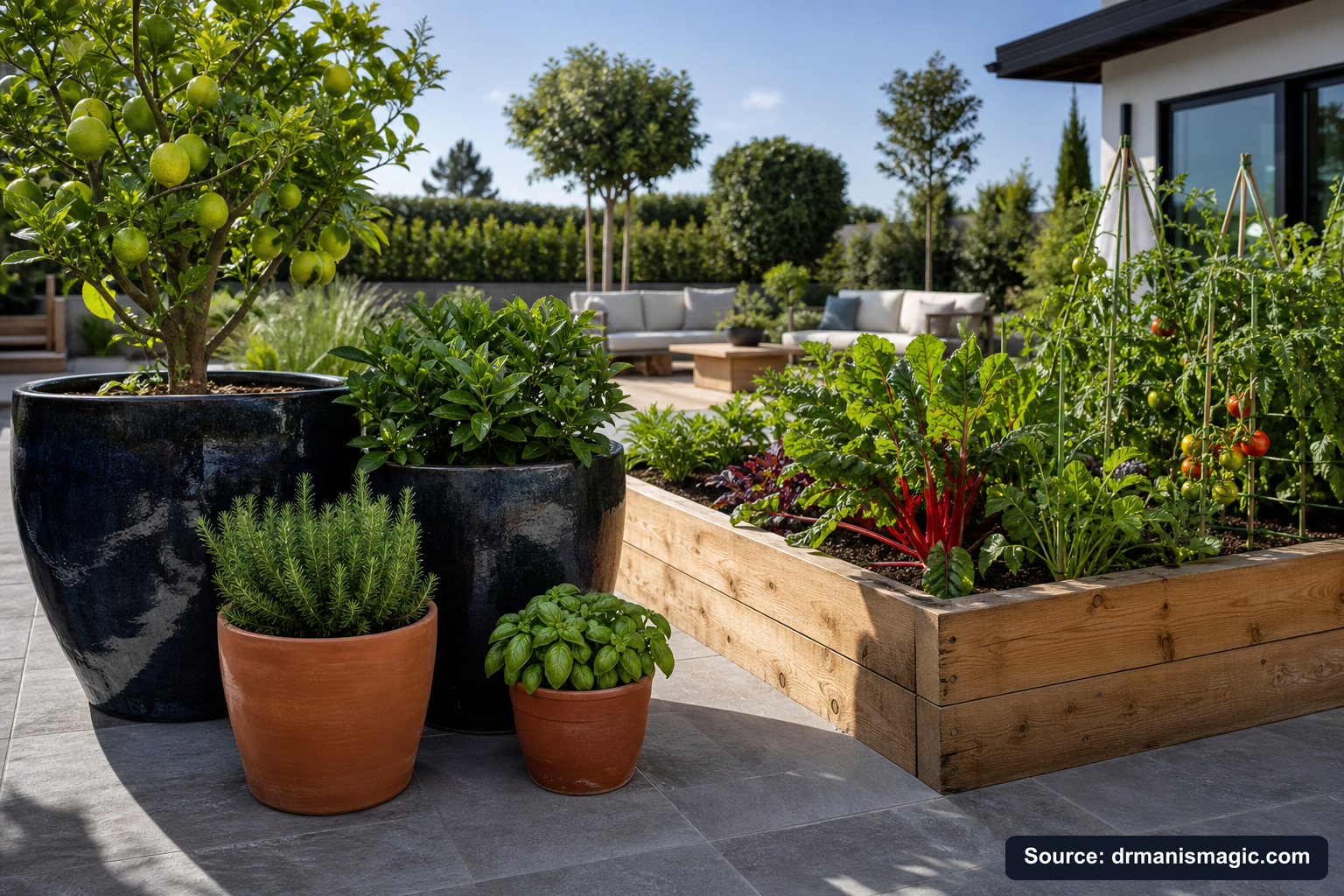
You can get money back. You cannot get years back. Every season your tree spends struggling in decomposing wood is a season it is not growing toward that first harvest.
That is not a small thing. That is everything.
You Never Had a Brown Thumb.
You were handed the wrong tools. This free guide hands you the right ones.
You watered it. You fed it. It died anyway.
It was never you. It was the dirt, the salt food, and the bad advice.
This guide shows you what really went wrong, and how to fix it for good.
- Why your plants really died, and why it was never your fault
- The salt hiding in your plant food that quietly burns the roots
- The hidden killer in almost every bag of store soil
- The tiny helpers that grow a whole forest for free
- The rescue trick that brings a half dead plant back to life

What Did Ancient and Expert Growers Know About Mineral Soil That We Forgot?
Quick Answer: Cultures that grew plants in containers for centuries, from Japanese bonsai masters to ancient Mediterranean fruit growers, consistently used mineral-heavy, coarse-draining substrates. Sandy, gritty, mineral-rich soils were the standard. The shift to wood-based media is a modern industrial convenience, not a horticultural improvement.
Bonsai masters have known this for over a thousand years. Traditional Japanese bonsai substrates are almost entirely mineral. Akadama is a fired clay aggregate. Pumice is volcanic stone. Lava rock is, well, rock. The mix is gritty, coarse, and drains almost instantly after watering.
Why? Because bonsai trees are meant to live for generations. Some are over 800 years old. You do not keep a living thing alive for 800 years by planting it in something that rots within a year.
The same principle shows up in ancient Mediterranean agriculture. The most productive citrus groves in southern Spain, Sicily, and the Levant were planted in well-drained, sandy, mineral-rich soils. Florida's best natural citrus soils are famously sandy and low in organic matter. The trees do not need rich, dark, loamy compost to grow. They need structure, drainage, and oxygen. The nutrients come from other sources. The structure comes from sand and stone.
What changed? The industrial age. The timber industry created a cheap waste product. Fertilizer companies needed a growing medium that would drain nutrients fast so plants would need more fertilizer soon. The result was a perfect partnership between sawdust and synthetic salt fertilizers. Both products degrade quickly. Both require constant repurchase. Both benefit the companies selling them, not the gardeners buying them.
Dr. Mani Skaria, Professor Emeritus of Plant Pathology and founder of Texas's Clean Citrus Program, saw through this system after decades of research at the Texas A&M Citrus Center. He went back to what worked. Mineral soil. Sandy loam from the Rio Grande Valley. Silica-rich. Inorganic. Permanent. He built Super Soil around this foundation, steam-sterilized for safety, blended with coco coir, rice hulls, and biochar for balance. It is the soil he uses on every single one of the 250,000+ trees at US Citrus Nursery. Not because it is trendy. Because it works.
Pine Bark vs. Mineral Aggregates: Which Materials Actually Last?
Quick Answer: Mineral aggregates like coarse sand, pumice, lava rock, perlite, and calcined clay hold their structure for years because they are inorganic and do not decompose. Pine bark, bark fines, peat, coir, and compost are organic and will break down over time. For perennial container plants, mineral materials provide the durable skeleton; organic materials can complement but should not dominate the mix.
Let's put the major potting materials side by side so you can see what you are actually working with.
| Material | Type | Structural Longevity | Aeration | Drainage | Decomposition Risk | Best Use |
|---|---|---|---|---|---|---|
| Coarse Sand / Silica Sand | Mineral | Permanent | Excellent | Excellent | None | Perennial trees, citrus, succulents |
| Pumice | Mineral (volcanic) | Permanent | Excellent | Excellent | None | Bonsai, citrus, drought-tolerant plants |
| Lava Rock | Mineral (volcanic) | Permanent | Excellent | Very Good | None | Long-lived containers, bonsai |
| Perlite | Mineral (volcanic glass) | Long-lasting | Very Good | Very Good | Very Low | Mix amendment, houseplants, citrus |
| Calcined Clay / Akadama | Mineral (fired clay) | Long-lasting | Good | Good | Very Low | Bonsai, precision container work |
| Rice Hulls (silica) | Mineral / organic hybrid | Long-lasting (silica core) | Good | Good | Low | Aeration amendment, top dressing |
| Coco Coir | Organic (coconut fiber) | Medium (2-3 years) | Good when fresh | Good when fresh | Moderate | Complement to mineral base |
| Pine Bark (coarse) | Organic (woody) | Short-medium (1-2 years) | Fair when fresh | Fair when fresh | Moderate to High | Short-cycle plants, annuals |
| Bark Fines / Sawdust | Organic (woody) | Very Short (under 1 year) | Poor | Poor | Very High | Not recommended for containers |
| Peat Moss | Organic | Short-medium | Poor when compacted | Poor when dry | Moderate | Short-cycle seed starting |
| Compost | Organic | Short | Poor | Poor | Very High | Garden beds, top dressing only |
Look at that table and notice the pattern. Every material that offers permanent structural stability is mineral-based. Every material that decomposes quickly is organic. This is not a coincidence. This is physics. Carbon breaks down. Silicon does not.
See also: The Hidden Reason Synthetic Fertilizers Cause Root Rot
How Do You Know If Your Plant's Soil Has Already Failed?
Quick Answer: Signs of collapsed potting mix include: soil that pulls away from the pot edges, water that runs down the sides without absorbing, a sour or fermented smell from the pot, yellowing leaves despite regular feeding, soft or blackened roots, and fungus gnats. If your plant has been in the same potting mix for more than 12-18 months, the structure has likely degraded significantly.
Most plant owners blame themselves when a plant declines. They think they watered wrong. They think they chose the wrong fertilizer. They think they have a brown thumb.
That is not your fault. That is the system working exactly as designed. Keep you confused. Keep you buying. Keep you blaming yourself so you never look at the actual problem: the soil your plant is sitting in.
Here is a quick diagnostic. Run through this checklist and count how many apply to your plant right now.
Root Health and Soil Diagnostic Checklist
| What You See or Smell | What It Likely Means | Urgency |
|---|---|---|
| Soil pulls away from pot edges when dry | Mix has shrunk from decomposition and moisture loss | High |
| Water runs straight down the sides of the pot | Mix has become hydrophobic. Surfactants washed out. | High |
| Sour, fermented, or "swamp" smell from pot | Anaerobic decomposition happening in root zone | Very High |
| Yellowing leaves despite regular fertilizing | Roots cannot absorb nutrients due to oxygen starvation | High |
| Fungus gnats flying around the base | Constantly moist, decomposing organic matter. Gnats love it. | Moderate |
| Roots are brown, slimy, or smell bad | Active root rot. Pathogenic fungi present. | Emergency |
| Plant has been in same mix for 12+ months | Structural collapse likely underway even without visible symptoms | Moderate to High |
If you checked three or more of those boxes, your soil has likely failed. The good news is you can recover. Here is how.
Recovery Checklist: What To Do When Your Potting Mix Has Failed
- Remove the plant from its pot carefully. Gently shake off as much of the old mix as you can from the roots. Do not rip roots. Just loosen.
- Inspect the roots. Trim off any roots that are black, slimy, or mushy with clean scissors. Healthy roots are white or light tan and firm.
- Let roots air out. Set the plant in a shaded spot for 30-60 minutes to let the root zone dry slightly and breathe before replanting.
- Choose a mineral-based substrate. Do not replant in the same decomposed mix. Use a permanent, mineral-based medium with strong drainage and aeration.
- Pot into a clean container with drainage holes. Make sure the pot drains freely. No drainage, no recovery.
- Inoculate with live beneficial microbes. This is critical. After root damage, beneficial bacteria and fungi help the root zone heal and protect against further pathogen attack. See: Plant Super Boost.
- Hold off on heavy fertilizing for 2-3 weeks. Let the roots recover in their new home first. Then introduce a gentle, organic, slow-release fertilizer. Salt-based fertilizers on stressed roots make things significantly worse. See also: Why Most Fertilizers Are Actually Salt in Disguise.
What Does the Three Plant Pillars System Say About Soil?
Quick Answer: The Three Plant Pillars system, developed by Dr. Mani Skaria and proven across 250,000+ trees at US Citrus Nursery, places mineral-based soil as Pillar One because without proper structure and oxygen delivery, the other two pillars cannot function. Living microbes and organic fertilizer only work when roots are breathing.
Think of the Three Plant Pillars like a three-legged stool. Pull one leg out and the whole thing falls over.
Pillar One is mineral-based soil. The permanent foundation. The structure that keeps oxygen flowing to roots for years, not months. Without this, nothing else works.
Pillar Two is live microbials. Bacteria, fungi, and mycorrhizae that protect roots, unlock nutrients, and build a living ecosystem underground. But here is the thing: microbes need oxygen too. Put them in collapsed, anaerobic potting mix and they suffocate right alongside the roots. Microbes cannot save a plant that cannot breathe.
Pillar Three is organic fertilizer. Slow-release, salt-free nutrition that feeds plants the way nature intended, without burning roots or killing soil biology. But if the roots are rotting and the soil is compacted, no fertilizer on earth can fix the problem. You would be pouring fuel into an engine with no air intake.
The order matters. Soil first. Always soil first.
This is why Dr. Mani built Super Soil as the cornerstone product of the Dr. Mani's Magic line. It is steam-sterilized sandy loam from South Texas, blended with coco coir, rice hulls, and biochar. It delivers the mineral skeleton that keeps pore spaces open permanently, the drainage that prevents waterlogging, and the biological hosting environment where beneficial microbes can thrive. Zero synthetic chemicals. Zero PFAS. Zero biosludge. Zero synthetic salts. Backed by a 30-day money-back guarantee.
It is not a bag of potting mix. It is a permanent home for your plant's roots. There is a difference. And once you feel it, you will never go back to sawdust in a bag.
Does Any of This Apply to Plants Besides Citrus?
Quick Answer: Yes. Every plant with a root zone benefits from proper oxygen delivery and structural stability in the soil. Citrus, figs, olives, avocados, houseplants, succulents, bonsai, roses, and even lawn grasses all suffer when their root zones become oxygen-depleted. The Three Plant Pillars apply to any plant in any setting.
We talk about citrus a lot here because that is where we have tested this the hardest. 250,000 trees does not leave much room for guessing. But the physics of oxygen delivery to roots does not change based on what kind of plant is sitting above the soil.
Your fiddle-leaf fig in the living room corner? Same problem. Your avocado tree on the porch? Same problem. Your rose bed that looked great the first summer and then started declining? Same problem. Your lawn that turns yellow in patches no matter how much you water? The root zone is fighting the same battle.
Wood-based potting mixes and chemically saturated commercial soils fail every plant that depends on them long-term. The plant that suffers the fastest is the one with the most roots packed into the smallest space. That is your container plant every single time.
For any plant you want to keep alive for more than one season, the principle is the same. Build the foundation right. Use mineral structure for permanent pore space. Add live biology to protect and feed the roots. Then use clean, organic nutrition to fuel growth without burning what you built.
You can explore the full system, along with a step-by-step care guide for any plant type, in the Free Plant Care Field Guide from Dr. Mani's Magic. It walks you through everything from soil setup to watering to feeding, in plain language, with no jargon.
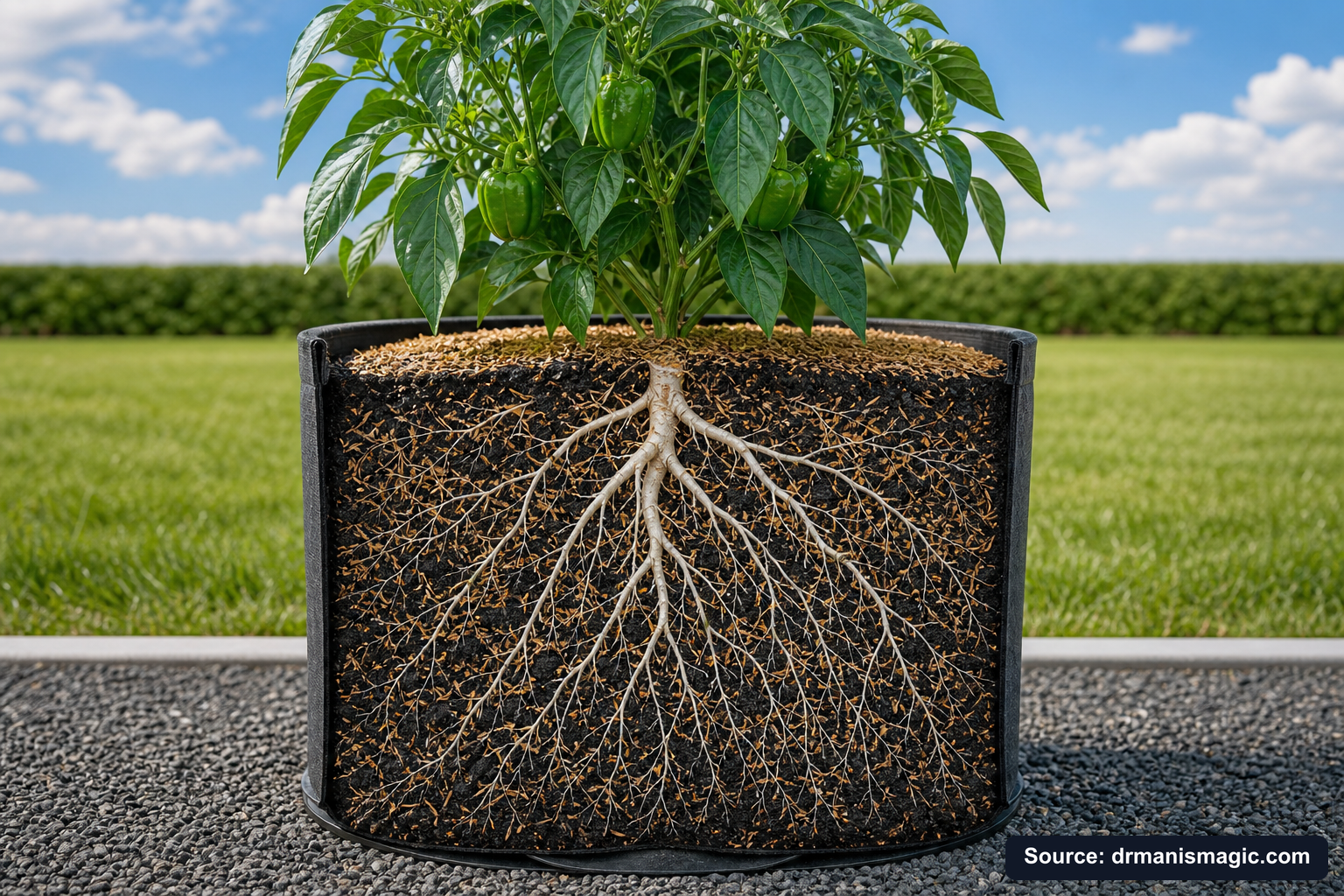
The Bottom Line: What Real Soil Looks Like and Why It Matters
Real soil has a mineral skeleton. Always has. Always will. Sand. Stone. Silica. Particles that do not rot, do not collapse, and do not steal oxygen from the roots depending on them.
Potting mix is a modern industrial compromise. It was designed for profit, not for plants. It works for six months, maybe twelve, before it begins to fail the plant that trusted it. For long-lived trees and perennials, for the plants you want to grow into something you can be proud of, it is the wrong tool for the job.
The gardeners who succeed long-term are not the ones who buy the most products or follow the most complicated routines. They are the ones who got the foundation right first. Mineral soil. Stable pore structure. Oxygen at the roots. Everything else becomes easier once that foundation is solid.
Dr. Mani spent 35 years figuring this out through hard-won trial and error across one of the largest citrus nurseries in the country. He built products he wished had existed when he started. Products that address the real problems, not the symptoms. Products made in the USA, with American materials, by a family team that uses them on their own trees every single day.
If your plant is struggling and you suspect the soil might be the reason, you are probably right. And the fix is simpler than you think. Start with the foundation. Get the roots breathing again. The rest follows naturally.
When you are ready to give your plants a permanent home built on mineral science and 30 years of proven results, take a look at what Super Soil is made of and why it works. Your roots will thank you for it.
Frequently Asked Questions
If your plants keep struggling no matter what you try, the answer is almost always in the soil. These are the questions real gardeners ask when they finally start digging into the truth about what plants actually need to thrive. Dr. Mani has spent over 30 years testing these answers on more than 250,000 trees in South Texas, so you get the real story here.
Can you make real soil artificially, or does it have to come from nature?
You can engineer a soil mix that works even better than what most people dig out of their backyard. The key is starting with a mineral base, not organic wood waste. Dr. Mani's Super Soil uses silica-rich sandy loam from the Rio Grande Valley. It does not decompose. It does not collapse. It holds structure permanently, which means your roots always have room to breathe and grow. That is something no pine bark mix can ever promise you.
What are the most important ingredients in healthy soil?
Healthy soil needs four things working together: mineral matter, organic matter, air, and water. Most store-bought potting mix gets this completely wrong. It packs in too much decomposing wood, which crowds out the air pockets roots depend on. Dr. Mani's Three Plant Pillars fix this by starting with a mineral foundation, then adding live microbes and organic fertilizer. All four ingredients stay in balance the way nature intended.
What is sandy soil actually good for when it comes to growing plants?
Sandy soil drains fast and lets roots breathe, which is exactly what most fruit trees, citrus, and houseplants need. The problem is that plain sand holds almost no nutrients on its own. That is why Dr. Mani pairs his mineral-based sandy loam foundation with live microbes from Plant Super Boost and slow-release organic fertilizer. The sand gives roots the oxygen they crave. The microbes and fertilizer give them the food they need. Together, they are unstoppable.
How long does it take for rocks and minerals to become real soil?
In nature, it can take thousands of years for rock to break down into soil. That is why mineral-based soil is so valuable. Those sand and silica particles have already done the hard work over thousands of years of weathering. They are stable. They will not break down inside your pot or garden bed in a few months the way pine bark does. When you plant in Dr. Mani's Super Soil, you are planting in something built to last.
What are the layers of soil and why does it matter for my plants?
Soil has four main layers, but for potted plants and garden beds, the top layer is everything. That is where roots live, where microbes work, and where nutrients move in and out. Most potting mixes fill that critical top zone with decomposing wood that collapses and cuts off oxygen. Dr. Mani's mineral-based Super Soil keeps that top zone open, airy, and alive, so roots can push deep and pull in everything they need without fighting for space or air.
Why does potting mix made from wood break down and hurt my plants?
Pine bark starts decomposing the moment it gets wet. As it breaks down, it shrinks, compacts, and fills the tiny air pockets that roots depend on for oxygen. Roots need oxygen just like you do. When those pockets disappear, roots suffocate from the inside out. You see yellow leaves. You feel confused. You blame yourself. But it was never your fault. It was the wood. Dr. Mani proved this across 250,000 trees. Mineral soil does not rot. It does not collapse. It stays open forever.
Where does the richest, most productive soil in the world come from?
The world's most fertile soils, like the black Chernozem soils of Ukraine or the deep Mollisols of the American Midwest, share one thing in common. They have a strong mineral skeleton built up over thousands of years. That mineral structure is what holds nutrients, water, and air in the right balance. Dr. Mani studied this and brought the same principle to your backyard with Super Soil. Rich, mineral-based, built to last, and proven on a quarter million trees right here in the USA.
About the Author
Ron Skaria, MD
Ron Skaria, MD, is the co-founder of Dr. Mani's Magic and the son of Dr. Mani. He trained as a medical doctor at Baylor College of Medicine, did his residency at UT Health Science Center - San Antonio and fellowship training at Texas Tech University. He now works full time on the family farm at US Citrus and US Citrus Nursery in Hargill, Texas, building Dr. Mani's Magic alongside his dad. He wrote the Brown Thumb Field Guide to put his father's 48 years of plant science into plain words any gardener can use. His belief is simple. You never had a brown thumb. You just never had the right help.


