


Why Ancient Soil Still Exists Today and Modern Potting Mix Fails | Dr. Mani's Magic
Why Ancient Soil Still Exists Today (And Why That Changes Everything About How You Grow Plants)
Picture this. You are standing in a museum, staring at a clay pot behind glass. The little card says 3,000 years old. You think about the hands that shaped it, the fire that hardened it, the centuries it sat underground. And then you notice something else. The soil still clinging to its sides. Still there. Still crumbling into tiny grains of sand and silt and mineral grit. Still recognizable as earth.
Now go home. Open the bag of potting mix you bought last spring. The stuff that was fluffy and light when you first used it. Squeeze a handful. It is dense. It smells a little sour. It has shrunk down in the pot. The roots of your plant look brown and sad. Something went wrong. But nobody told you why. Nobody explained the difference between the soil that lasts three thousand years and the stuff that turns to mush in six months. That is what this article is about.
Here is the open loop that most gardening advice never closes: some soil has been sitting in the ground since before the pyramids were built. Other soil collapses before your plant finishes its first growing season. The difference has nothing to do with how much you water or how much fertilizer you use. It has everything to do with what that soil is actually made of. Stick with us. This one idea will change the way you think about every plant you ever grow.
Key Takeaways
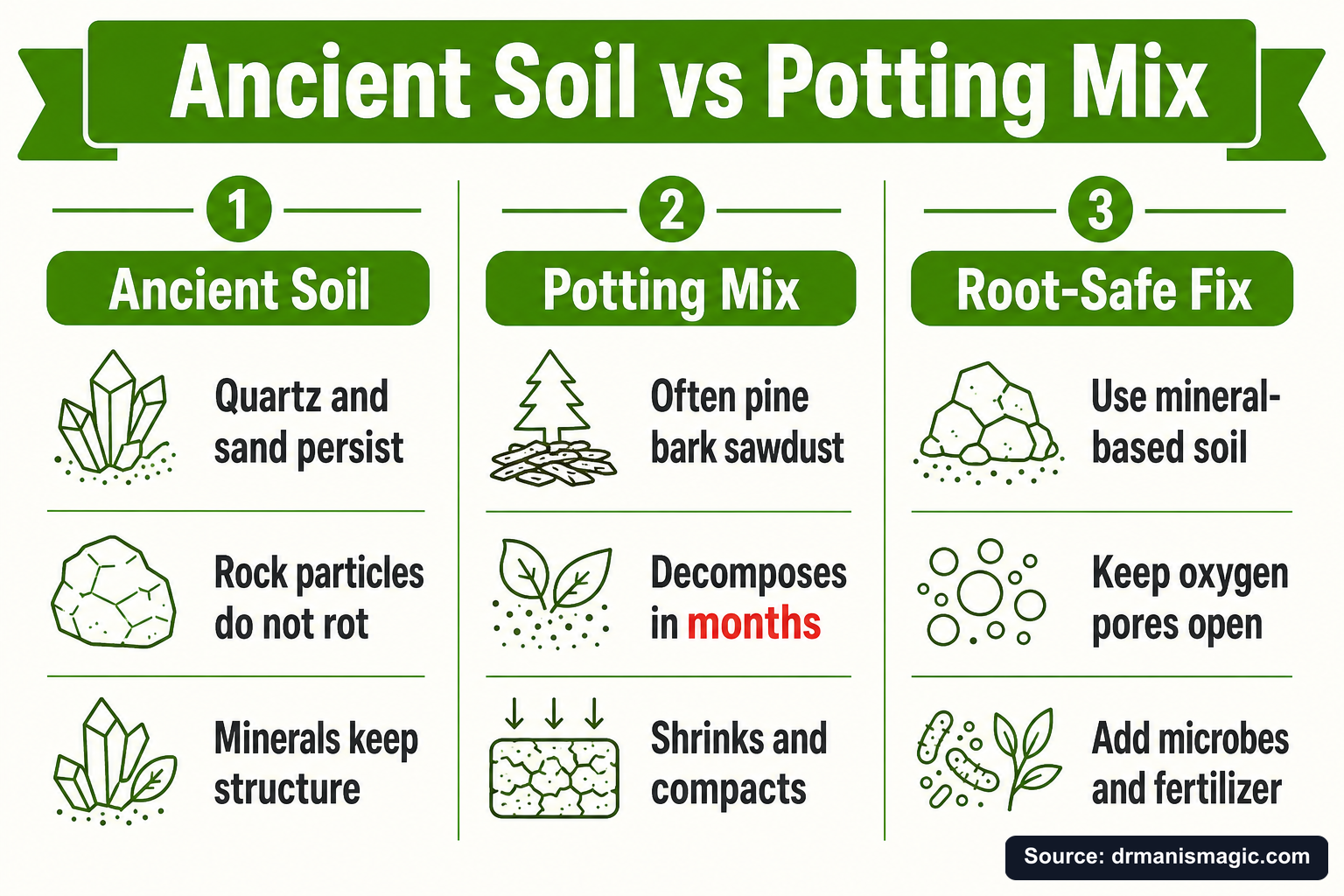
- Mineral particles like sand, silt, quartz, and silica are geologic materials. They do not decompose. That is why ancient soil still exists today.
- Most commercial potting mix is made from pine bark sawdust. It is organic. It decomposes. And as it decomposes, it steals oxygen from your plant roots.
- Roots need oxygen to survive. When pore spaces fill with water and decomposing matter, roots suffocate. That is what actually causes root rot.
- The Three Plant Pillars developed by Dr. Mani Skaria at US Citrus Nursery address this problem from the ground up: mineral-based soil, live microbes, and organic fertilizer.
- Mineral-based soil lasts permanently in a container. Bark-based potting mix collapses in about six months.
- Big box stores have little incentive to fix this. They profit when your plant dies and you buy another one.
- You can grow nearly bulletproof plants once you understand what the roots actually need.
Why Does Ancient Soil Still Exist Today?
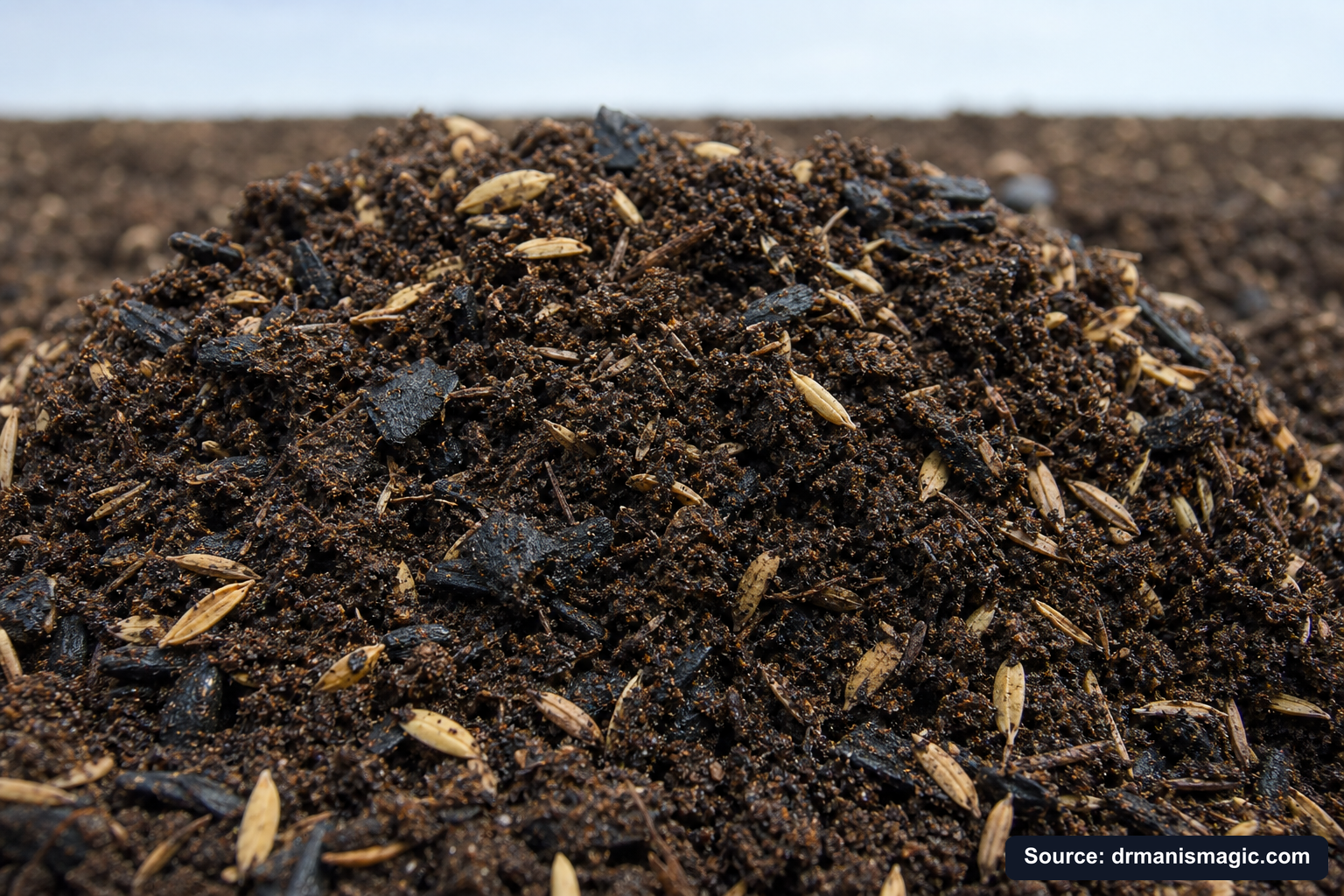
Quick Answer: Ancient soil still exists because its mineral particles, things like quartz, sand, silt, granite, silica, pumice, and lava rock, are geologic materials. They are made from rock, not from living things. Rock does not decompose. Organic materials like bark, peat, compost, and sawdust are made from once-living things. They do decompose. That is the entire difference.
Mineral particles are not alive. They never were. They are tiny fragments of rock that got broken down by wind, water, and time over millions of years. A grain of quartz sand sitting in the soil of ancient Egypt is the same grain of quartz sand that might be in your garden today. It has not changed. It has not broken down. It has not gone anywhere.
Geologists call this persistence. The University of California Agriculture and Natural Resources extension explains it plainly: mineral soil particles persist because they are composed of stable crystalline structures that resist biological and chemical breakdown under normal conditions. In plain English, rocks do not rot.
Now flip that around. Pick up a fallen leaf. Give it a few months in a moist pile. It turns to mush. That is decomposition. Everything that was once alive eventually breaks back down into its basic building blocks. Carbon, nitrogen, hydrogen, oxygen. The structure disappears. The physical form collapses.
This is not a bad thing out in a forest. In a forest, decomposing leaves add nutrients to the soil and feed a billion microorganisms. It is a beautiful, self-renewing system.
But inside a container? Inside a pot holding your lemon tree or your fiddle-leaf fig or your orchid? Decomposition is a slow disaster. And most people never see it coming.
What Is Potting Mix Actually Made Of, and Why Does It Fail?
Quick Answer: Most commercial potting mix is made primarily from pine bark sawdust, a cheap waste product from the timber industry. It is organic and carbon-based, which means it decomposes. As it breaks down inside your pot, it shrinks, compacts, loses structure, and steals oxygen from the root zone. Roots suffocate. Plants stall. Most people blame themselves when the real problem is what they planted in.
Here is something nobody in the gardening aisle at the hardware store will ever tell you.
You are not planting your tree in soil. You are planting it in other dead plants.
That bag labeled "Premium Potting Mix" or "Garden Soil" is mostly pine bark that has been shredded into fine particles and left to sit in enormous outdoor piles for months or years. It gets partially decomposed on purpose, to knock off some of the sharp chemical edge of fresh pine bark. Then it gets bagged, shipped, and sold to you for a few dollars.
Why pine bark? Because pine trees cover enormous stretches of the southeastern United States. When timber mills cut those trees into lumber, they are left with mountains of bark they cannot use. It is a waste product. Selling it as potting mix turns trash into profit. That is smart business. It is just not smart gardening.
Pine bark has a whole family of chemicals in it. Plant chemists call them terpenes and terpenoids. You already know some of these compounds by their everyday names. Pine-Sol. Turpentine. Those are pine chemistry products. They are used for cleaning and stripping varnish. They are not what you want coating the roots of your prize citrus tree or your houseplant collection.
The decomposition process does reduce those harsh chemicals over time. But the decomposition itself creates a new problem. It consumes oxygen. The same oxygen your plant roots are desperate for.
And it gets worse. To make pine bark sawdust hold water (because dry wood naturally repels water), manufacturers add surfactants. Chemical wetting agents. These chemicals force the wood to absorb moisture instead of shedding it. For a while, this makes the potting mix feel hydrated and easy to manage. Then the surfactants wash away with repeated watering. And the potting mix turns hydrophobic. It repels water entirely. It becomes impossible to re-wet without soaking and coaxing. You pour water on it and watch it run straight down the sides of the pot and out the drainage hole without ever touching the root ball.
At that point you have a pot full of compacted, oxygen-starved, chemically exhausted bark powder. And your plant is sitting in it wondering what went wrong.
The Pine Bark Timeline
| Time in Container | What Is Happening to Potting Mix | Effect on Your Plant |
|---|---|---|
| Month 1-2 | Fresh, fluffy, surfactants active, good pore space | Plant looks decent, roots can breathe |
| Month 3-4 | Bark fines begin compacting, pore spaces shrinking | Drainage slows, roots start to struggle |
| Month 5-6 | Surfactants washed out, decomposition accelerating, oxygen levels dropping | Growth stalls, leaves yellow, root rot risk rises sharply |
| Month 7-12 | Dense, compacted sludge, hydrophobic, no structural integrity | Plant in serious decline, root rot likely, recovery difficult |
| Year 2+ | Completely decomposed, collapsed into fine powder | Plant likely dead or severely stunted |
This is why perennial container plants, the ones you want to keep for years, fruit trees, palms, ornamental figs, bonsai, always seem to hit a wall around their first or second year. The plant is fine. The roots are fine. But the medium they are sitting in has quietly collapsed around them.
Why Do Plant Roots Need Oxygen to Survive?
Quick Answer: Roots need oxygen because they perform cellular respiration, the same basic metabolic process that keeps every living cell alive. Without oxygen reaching the root zone, root cells cannot generate energy. They weaken, die, and become easy targets for fungal pathogens. This is the true mechanism behind root rot. It is an oxygen failure first, then a pathogen problem second.
This is the part that surprises almost everyone.
Plants breathe in carbon dioxide through their leaves. You learned that in school. So when people hear that roots also need oxygen, it feels backwards. But it is absolutely true, and understanding it changes everything.
The leaves and the roots are doing two completely different jobs. The leaves harvest carbon dioxide to build sugars through photosynthesis. The roots are doing something else entirely. They are performing cellular respiration, breaking down those sugars to create the energy the plant needs to grow, absorb nutrients, and fight disease. That process requires oxygen. No oxygen, no energy. No energy, no growth. No growth, eventually no plant.
The North Carolina State University Extension confirms this in their guidance on container media: adequate air-filled porosity in container substrates is essential because root respiration requires continuous oxygen supply, and saturated media reduces oxygen diffusion to near zero within hours.
Near zero within hours. Think about that next time it rains.
Here is the physics of it, in plain language. Healthy soil has pores. Gaps between particles. These gaps hold either air or water. When you water a plant, water fills those gaps and pushes the air out. If the soil drains well, the water moves through and air rushes back in. If the soil does not drain well, or if the pore spaces have collapsed from decomposing bark fines, the water just sits there. The roots stay waterlogged. Oxygen cannot get in. The roots begin to suffocate.
And then the real trouble starts.
Fungal pathogens like Phytophthora and Pythium, the ones responsible for most root rot, are opportunists. They do not attack healthy, well-oxygenated roots. They attack weakened, oxygen-starved roots. The root rot you see, the brown, slimy, foul-smelling mess, is not actually caused by "too much water." That is a simplification that sends gardeners chasing the wrong solution. The root rot is caused by an oxygen failure in the root zone, which then allows pathogens to move in and finish the job.
This is why drainage holes alone do not save your plant. A drainage hole at the bottom of a pot does not prevent a perched water table. It does not restore collapsed pore space. It does not put oxygen back into decomposing bark fines. The structure of the medium itself has to allow air to move through it. And that structure only holds if the particles do not decompose.
Which brings us back to why ancient soil still exists today. Mineral particles hold their shape. They do not compress into sludge. They do not steal oxygen as they break down. The pore spaces between mineral grains persist for years, decades, centuries. That is not just geological trivia. That is the root of why mineral-based soil keeps plants alive longer than any bark-heavy potting mix ever will.
See also: The Hidden Reason Synthetic Fertilizers Cause Root Rot
What Is the Difference Between Mineral Soil and Organic Potting Mix?
Quick Answer: Mineral soil is made of inorganic particles like sand, silt, silica, quartz, pumice, and lava rock. These particles do not decompose. They maintain structure and air-filled pore space permanently. Organic potting mix is made of bark, peat, compost, or sawdust. These are carbon-based materials that decompose, compact, and collapse, destroying the air spaces roots depend on.
Let us make this side by side comparison impossible to forget.
| Property | Mineral-Based Soil (Sand, Silica, Pumice) | Organic Potting Mix (Pine Bark, Peat, Sawdust) |
|---|---|---|
| Base material | Geologic rock particles, silica-based | Decomposed plant matter, carbon-based |
| Does it decompose? | No. Persists for centuries or longer | Yes. Begins collapsing within months |
| Pore space over time | Stable. Air spaces remain open | Shrinks. Fine particles fill gaps and compact |
| Oxygen delivery to roots | Consistent. Roots breathe freely | Declining. Decomposition consumes oxygen |
| Drainage | Fast and reliable | Slows dramatically as structure collapses |
| Root rot risk | Low. Roots stay oxygenated | High. Saturated, anaerobic conditions invite pathogens |
| Lifespan in container | Permanent when steam-sterilized | 6-12 months before serious decline |
| Repotting frequency | Rarely if ever needed | Every year or two just to survive |
| Chemical concerns | None. Inert and stable | Terpenes from pine, added surfactants, decomposition byproducts |
| Best for long-lived container plants? | Yes. Perennial trees, palms, bonsai, citrus | No. Designed for short-cycle annuals |
That last row is the one that nobody in the garden center will ever explain to you. Potting mix was designed for annuals. Petunias. Marigolds. Impatiens. Plants that live one season, get tossed, and get replaced. The medium only needs to last a few months. That is fine for a flat of flowers. It is not fine for a lemon tree you want to harvest fruit from for the next twenty years.
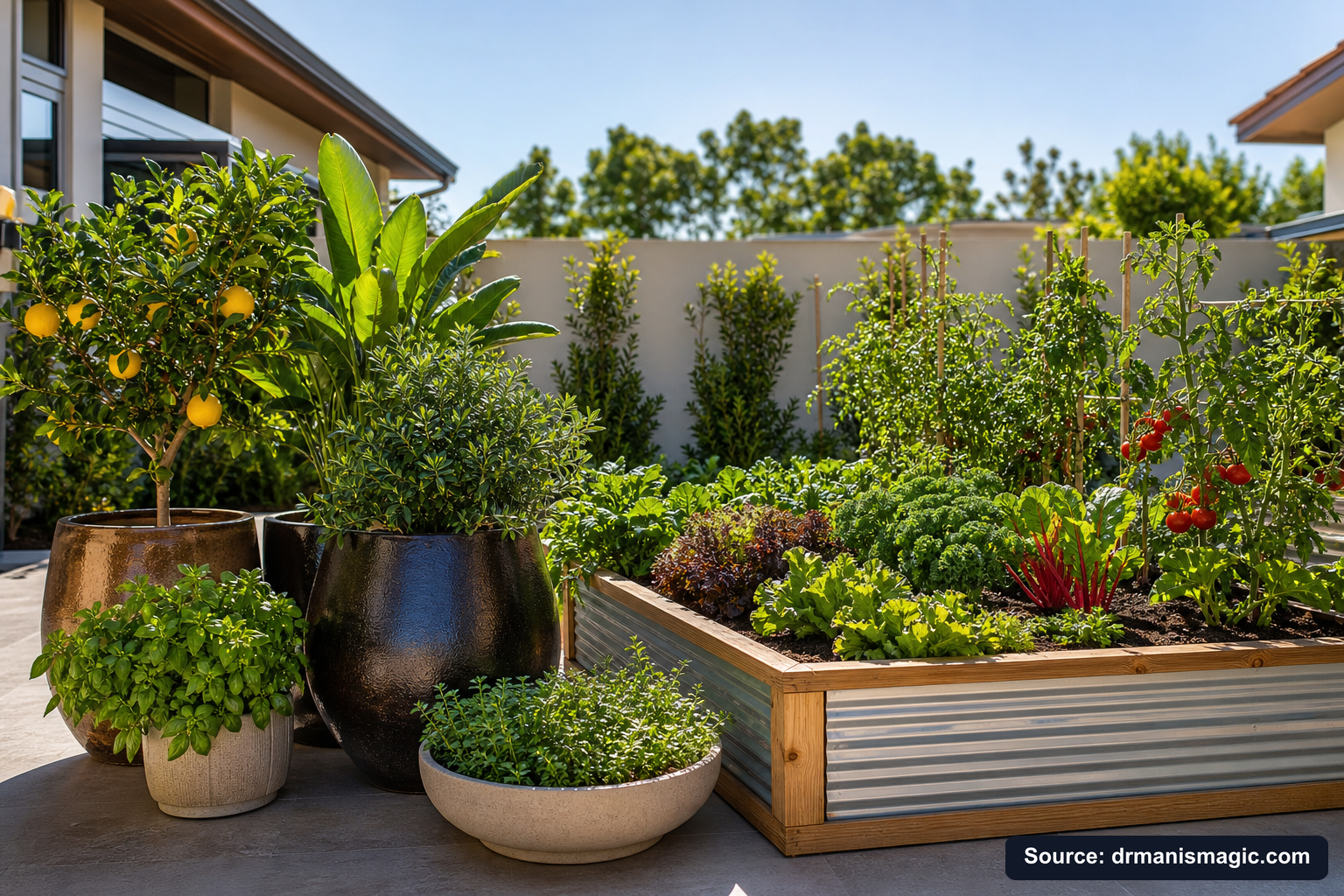
Big box stores sell millions of bags of bark-based potting mix every year. They also sell millions of replacement plants every year. There is a connection there that nobody is rushing to point out.
You Never Had a Brown Thumb.
You were handed the wrong tools. This free guide hands you the right ones.
You watered it. You fed it. It died anyway.
It was never you. It was the dirt, the salt food, and the bad advice.
This guide shows you what really went wrong, and how to fix it for good.
- Why your plants really died, and why it was never your fault
- The salt hiding in your plant food that quietly burns the roots
- The hidden killer in almost every bag of store soil
- The tiny helpers that grow a whole forest for free
- The rescue trick that brings a half dead plant back to life

What Did Ancient Civilizations Know About Mineral Soil That We Forgot?
Quick Answer: Ancient growers in Egypt, Persia, Rome, and China all cultivated trees in containers using mineral-heavy substrates, sand, gravel, grit, and fired clay. They did not have pine bark. They used what lasted. Bonsai masters in Japan and China have maintained trees in mineral-based grit media for hundreds of years. The longevity of those trees is the proof.
Here is a detail that should make every modern gardener feel a little embarrassed.
The oldest cultivated bonsai trees in the world are over four hundred years old. Some are believed to be older. They have been kept alive in small containers, generation after generation, by masters who understood one thing above all else: the medium has to breathe. These trees are not growing in pine bark. They are growing in akadama, a fired clay mineral. In pumice. In coarse volcanic grit. In materials that hold their structure for decades without collapsing.
The ancient Persians and Egyptians grew citrus trees in stone and clay containers. The Romans grew lemon trees in ornate terracotta pots that they would roll inside during winter, centuries before anyone had invented a greenhouse. The Medici family in Renaissance Florence famously kept thousands of potted citrus trees in their orangeries, entire buildings dedicated to keeping those trees alive through cold winters. The soil they used was sandy, gritty, and mineral-heavy. Not because they were being scientific. Because that was what they had. And it worked.
The idea of growing trees in bark sawdust is approximately sixty years old. It rose with the expansion of industrial timber, the need to dispose of enormous quantities of wood waste, and the genius of packaging companies who turned that waste into a product with a beautiful name. Potting mix. Premium garden soil. It sounds so lush. It sounds so nurturing.
It is sawdust. And your plant roots know the difference even if the packaging does not.
Why Does Sand Get Such a Bad Reputation in Gardening Advice?
Quick Answer: Sand gets a bad reputation because most gardening advice lumps all sand together. Fine play sand and builder's sand have very small particles that can actually make drainage worse by filling pore spaces. Coarse sand, horticultural grit, silica sand, and sharp sand have large, angular particles that create stable pore space. The type of sand matters enormously. Coarse mineral particles are structural gold for container growing.
You have probably read something online that said "do not add sand to your potting mix, it makes drainage worse." And if you tried adding fine play sand from the hardware store, you may have discovered that this is actually true. The water seemed to move even slower. The mix felt heavier.
That advice is not wrong. It is just aimed at the wrong kind of sand.
Fine sand particles are small enough to slip into the gaps between bark particles and actually reduce drainage. Think of it like adding tiny pebbles to a bucket of larger pebbles. The small ones fill the spaces between the big ones. Total pore space shrinks.
But coarse sand, sharp horticultural sand, and silica-rich sandy loam work completely differently. Their particles are large and angular. They create and maintain pore space instead of filling it. Water moves through quickly. Air rushes back in behind it. Roots find oxygen. The structure stays stable because silica does not decompose.
This is why Dr. Mani Skaria built the foundation of his growing system around the sandy loam soils of South Texas. The Rio Grande Valley sits on some of the most mineral-rich, silica-dominant soil in the country. After growing over 250,000 trees at US Citrus Nursery, the team learned that this native sandy loam outperforms any commercially available bark-based potting mix for long-lived container trees. Not because it contains more nutrients. But because it does not decompose. It does not steal oxygen. It holds its structure year after year.
That is the entire secret. Structure. Oxygen. Permanence.
You can learn more about building your plant's complete foundation through the Three Plant Pillars system, which walks you through exactly how mineral soil, live microbes, and organic fertilizer work together.
What Actually Causes Root Rot, and How Do You Fix It?
Quick Answer: Root rot is caused by oxygen starvation in the root zone, not simply by overwatering. When pore spaces collapse or stay waterlogged, roots cannot breathe. Weakened roots then get attacked by opportunistic fungal pathogens like Phytophthora. Fixing root rot means restoring oxygen to the root zone, which requires addressing the medium itself, not just the watering schedule.
Most online advice tells you root rot comes from overwatering. So people water less. The plant keeps declining. They water even less. The plant gets worse. They give up and blame themselves for having a brown thumb.
The brown thumb is not real. It is a story that lets the wrong products off the hook.
Here is the actual sequence that leads to root rot in a container plant:
- Organic potting mix begins to decompose and compact inside the pot.
- Pore spaces shrink. Water starts to move through more slowly.
- After watering, the medium stays saturated longer because drainage has slowed.
- Oxygen levels in the root zone drop. Roots cannot breathe.
- Root cells begin to die from lack of oxygen.
- Fungal pathogens in the soil, which were always present but harmless to healthy roots, now find weakened tissue to attack.
- Brown, slimy, rotten roots appear. The plant wilts. Leaves yellow and drop.
Watering frequency is a symptom of the problem, not the cause. If your medium drained perfectly and maintained oxygen-rich pore space, you could water generously and never see root rot. The problem is the medium.
Root Health Diagnostic
| What You See | What It Usually Means | Root Cause |
|---|---|---|
| Yellowing leaves on new growth | Nutrient uptake failing | Roots too stressed to absorb nutrients, often oxygen-related |
| Wilting despite wet soil | Roots cannot deliver water even though it is present | Root rot destroying vascular tissue |
| Soil drying unevenly | Hydrophobic patches in medium | Surfactants washed out of old potting mix |
| Slow growth after first year | Medium has collapsed, oxygen depleted | Decomposing bark fines compacting root zone |
| Foul smell from soil | Anaerobic decomposition | Waterlogged, oxygen-free zone breeding pathogens |
| Brown, mushy root tips | Active root rot | Fungal pathogen attack on oxygen-starved roots |
Root Recovery Checklist
If your plant is showing root rot symptoms, here is what to do:
- Remove the plant from its container. Gently shake off as much old potting mix as possible.
- Rinse the roots under clean water. Look for brown, slimy, soft root tissue.
- Trim away any visibly rotten roots with clean, sterilized scissors. Healthy roots are white or light tan and firm.
- Let the trimmed root system air out for thirty to sixty minutes in a shaded spot.
- Repot into a mineral-based, well-draining medium that will not compact or hold excess moisture.
- Water gently but do not fertilize for two to three weeks. Let the roots stabilize first.
- Once new growth appears, introduce live microbial inoculants to help rebuild the beneficial root zone ecosystem.
See also: Why Most Fertilizers Are Actually Salt in Disguise
How Does the Three Plant Pillars Framework Address the Mineral Soil Problem?
Quick Answer: The Three Plant Pillars framework, developed by Dr. Mani Skaria after decades of research and 250,000-plus trees grown at US Citrus Nursery, starts with mineral-based soil as its foundation. Pillar One solves the oxygen problem by replacing decomposing bark with permanent mineral structure. Pillars Two and Three layer in live microbes and organic fertilizer to complete the root zone ecosystem.
Dr. Mani Skaria spent over thirty-five years growing citrus trees in South Texas. He taught plant pathology at the Texas A&M Citrus Center. He led Texas's clean citrus program. He won the Potts Award. He grew over 250,000 trees.
And after all of that, here is what he learned about potting mix: it is a joke.
Not because the people who make it are bad people. But because it was never designed for long-lived container plants. It was designed for profit. Cheap raw material, easy manufacturing, attractive packaging, and a product that guarantees you will need to buy more every year because the plant keeps declining.
Dr. Mani built his growing system around three non-negotiable principles. He calls them the Three Plant Pillars.
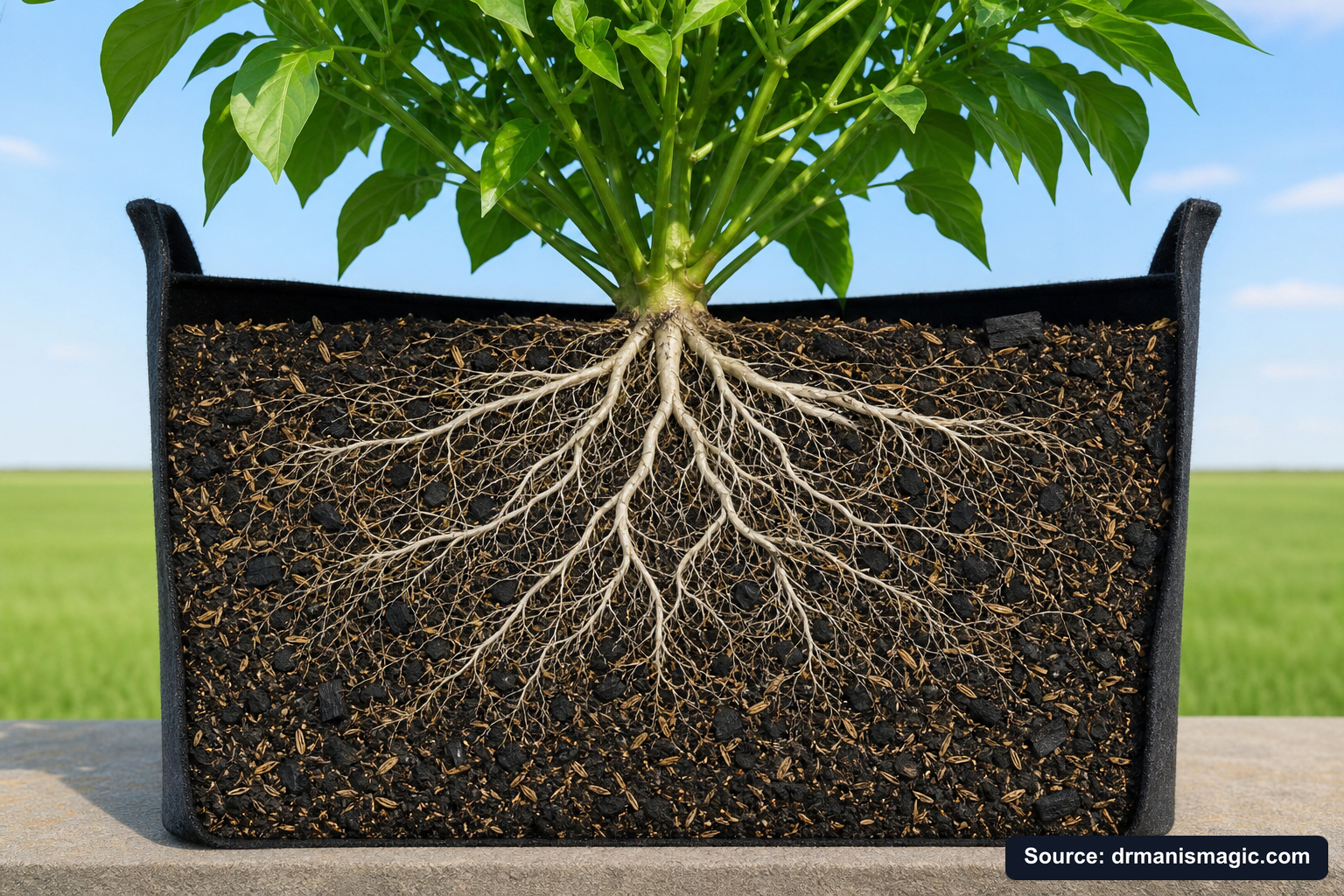
Pillar One: Mineral Foundation. The soil must be mineral-based. It must not decompose. It must maintain pore space and oxygen delivery permanently. The base is sandy loam from South Texas, steam-sterilized to eliminate pathogens, mixed with natural amendments like coco coir, rice hulls, and biochar for additional structure and moisture balance.
Pillar Two: Microbial Muscle. Mineral soil does not naturally contain the living ecosystem that healthy plants evolved alongside. Beneficial bacteria, fungi, and mycorrhizae need to be introduced and maintained. These microorganisms protect roots from pathogens, unlock bound nutrients, and create the invisible biological infrastructure that makes plants resilient.
Pillar Three: Organic Fertilizer. Salt-based synthetic fertilizers destroy the microbial ecosystem that Pillar Two builds. They also create osmotic stress that pulls water away from root cells. Organic, slow-release fertilizers from crab meal, kelp, and amino acids feed the plant gently and in harmony with the microbial system instead of burning it down.
Miss any one of these three pillars and you are building on a cracked foundation. The plant might look okay for a while. But eventually the structure fails. The roots suffer. The plant stalls. You lose time you cannot get back.
Speaking of time. The number one thing people tell Dr. Mani they want from gardening is to see fruit on a tree they planted, in their own lifetime. Not someday. Not maybe. Now. That desire is real and it is ancient. We were put on this earth to tend gardens. That drive does not go away with age. It gets stronger. And every month spent fighting the wrong soil is a month stolen from that harvest.
The Super Soil that Dr. Mani developed for US Citrus Nursery is the physical embodiment of Pillar One. It is not potting mix. It is not bark in a bag. It is a steam-sterilized, mineral-based growing medium that maintains its structure, oxygen delivery, and drainage permanently. Zero PFAS. Zero biosludge. Zero synthetic salts. Built to last the way geologic soil lasts, because the particles it is built from are geologic.
For the complete root zone system including live microbes and organic fertilizer, explore the Free Plant Care Field Guide from Dr. Mani's Magic. It walks you through the full Three Plant Pillars approach in plain language, step by step, for any plant you are growing.
Mineral Soil vs. Potting Mix: Which One Is Right for Your Plants?
Quick Answer: Mineral-based soil is the right choice for any long-lived container plant including fruit trees, palms, bonsai, tropical houseplants, and perennial ornamentals. Bark-based potting mix may work short-term for annual flowers and vegetables that will be discarded at season's end. For anything you want to keep and grow for years, mineral structure wins every time.
Let us be direct about this.
If you are growing marigolds for the porch this summer and you will toss them in October, go ahead and use whatever cheap potting mix is on sale. It will last long enough.
But if you are growing a Meyer lemon tree. A clementine. A Japanese maple. A fiddle-leaf fig. A palm. An orchid collection. A rose bush in a container. Anything you want to be alive and thriving three years from now, five years from now, a decade from now, you need a medium that does not decompose.
You need mineral structure. You need permanent pore space. You need oxygen at the roots.
The money you save buying cheap potting mix is nothing compared to the time you lose watching a plant decline and die. And then buying another one. And watching that one decline too. That cycle has a cost that no discount sticker can cover.
After growing over 250,000 trees and testing this system across citrus groves, tropical houseplant collections, and home gardens, the team at US Citrus Nursery arrived at the same answer every time. The plants that thrive long-term are the ones with their roots in mineral soil. The ones with oxygen. The ones with live microbes in the root zone. The ones fed with organic nutrition that works with the soil ecosystem instead of burning it down.
The ancient soil still exists today for the same reason those plants will still be thriving in five years. Because the foundation is built from things that do not fall apart.
If this clicked for you and you want to stop starting over every season, the best next step is simple. Read through the Free Plant Care Field Guide from Dr. Mani's Magic. It is the Three Plant Pillars explained from the ground up, for any plant you are growing. Fruit trees, houseplants, gardens, lawns, flowers. All of it. No jargon. No product pushing. Just the real information that decades of growing and 250,000 tested trees produced. Your plants have been waiting for this. And you have more than enough time to get it right, starting today.
Frequently Asked Questions
These are the questions real gardeners ask after they finally start to understand why their plants keep struggling. The answers below will change the way you think about soil forever. And once you see it, you cannot unsee it.
Why does ancient soil still exist today while potting mix falls apart in months?
Ancient soil survives because it is made of mineral particles like quartz, sand, silt, and silica. These are fragments of rock. Rock does not decompose. Most store-bought potting mix is made from pine bark and sawdust. That is organic material. It was once alive, so it breaks down. As it breaks down inside your pot, it compacts, blocks oxygen, and suffocates your roots. That is the real reason your plant looks sad. Dr. Mani's Super Soil uses mineral-based sandy loam from South Texas that does not break down. Ever.
Is ancient dark soil like terra preta still fertile today?
Yes. Terra preta, the dark earth created by ancient Amazonian peoples, is still growing lush plants centuries later. The secret is biochar. Biochar acts like a sponge for nutrients and creates a cozy home for beneficial microbes. Those microbes keep feeding the soil long after everything else is gone. Dr. Mani's Magic carries biochar for exactly this reason. It is one of the tools that helps your soil stay alive and productive for the long haul, not just for one season.
Why is most tropical and rainforest soil actually not fertile?
Heavy rain washes nutrients deep out of reach. Heat breaks down organic matter so fast that plants must grab it almost immediately or it is gone. The nutrients live in the plants, not the ground. This is why clearing rainforest for farming fails so quickly. The soil was never the bank. The living system was. This is exactly why Dr. Mani built the Three Plant Pillars around live microbes. Microbes are the living system that holds nutrients in place and delivers them to your roots on demand.
What makes mineral-based soil better than regular potting mix for container plants?
Regular potting mix collapses in about six months. As it breaks down, pore spaces close up. Water sits. Roots cannot breathe. Oxygen disappears and root rot sets in. Mineral soil does not collapse because rock does not rot. Dr. Mani tested this on over 250,000 citrus trees at US Citrus Nursery before bringing Super Soil to home gardeners. The result is a permanent growing medium that drains well, stays airy, and lets roots push deep and strong season after season.
Can you actually buy soil that mimics ancient fertile dark earth?
You can get very close. The key ingredients in ancient fertile soils are biochar, live microbes, and stable mineral structure. Dr. Mani's Magic carries biochar and Plant Super Boost, which is a living bottle of bacteria, fungi, and mycorrhizae. Together with Super Soil, these three products recreate the conditions that made ancient dark earth so powerful. You do not need to dig up an archaeological site. You just need the right inputs working together, which is exactly what the Three Plant Pillars are designed to do.
Where is the richest, most long-lasting natural soil found?
The American Midwest sits on some of the deepest, most fertile topsoil on earth. States like Iowa and Illinois have mollisol soils built from centuries of prairie grass roots and decomposed organic matter layered over stable mineral ground. Ukraine's chernozem black soil is similarly legendary. What these soils share is a combination of mineral structure and rich microbial life. That combination is not an accident. It is the same principle behind Dr. Mani's Three Plant Pillars, mineral foundation plus living microbes plus organic nutrition.
How old can soil actually get, and what does that mean for your garden?
Radiocarbon dating has found charcoal in terra preta soils that is up to 7,000 years old. The oldest mineral soil material on earth, found in Australia, goes back billions of years. What this means for your garden is simple. The mineral part of soil is practically permanent. The living part, the microbes, needs to be fed and protected. When you kill your microbes with synthetic salt-based fertilizers, you lose the engine that drives growth. Dr. Mani's organic fertilizer and Plant Super Boost keep that engine running the way nature intended.
About the Author
Ron Skaria, MD
Ron Skaria, MD, is the co-founder of Dr. Mani's Magic and the son of Dr. Mani. He trained as a medical doctor at Baylor College of Medicine, did his residency at UT Health Science Center - San Antonio and fellowship training at Texas Tech University. He now works full time on the family farm at US Citrus and US Citrus Nursery in Hargill, Texas, building Dr. Mani's Magic alongside his dad. He wrote the Brown Thumb Field Guide to put his father's 48 years of plant science into plain words any gardener can use. His belief is simple. You never had a brown thumb. You just never had the right help.


