


Soil Structure vs Fertilizer: Why Healthy Roots Need Oxygen Before Nutrients
Soil Structure Matters More Than Fertilizer: Why Healthy Roots Need Oxygen Before Nutrients
Soil structure is the physical architecture of soil that controls drainage, aeration, water movement, and oxygen availability for roots. While fertilizers provide nutrients, they cannot repair compacted, waterlogged, or oxygen-starved soil. Healthy roots require stable soil structure before they can effectively absorb nutrients and support long-term plant growth.
Author Section
Dr. Mani Skaria, PhD
Plant Pathologist • Professor Emeritus, Texas A&M University–Kingsville • USDA NAREEE Advisory Board Member
Over 250,000 trees grown using the biology-first approach.

Organic Rice Hulls
Key Takeaways
-
Soil's primary role is providing structure, drainage, and oxygen—not nutrition.
-
Roots require oxygen to absorb water and nutrients efficiently.
-
Most traditional potting mixes gradually decompose and lose structure.
-
Poor soil structure is one of the leading causes of root rot.
-
Mineral-based soils maintain pore space and aeration for years.
-
Fertilizer cannot fix compacted or oxygen-deprived soil.
-
Healthy plants require three foundations: soil structure, beneficial microbes, and balanced nutrition.
What Is Soil Structure?
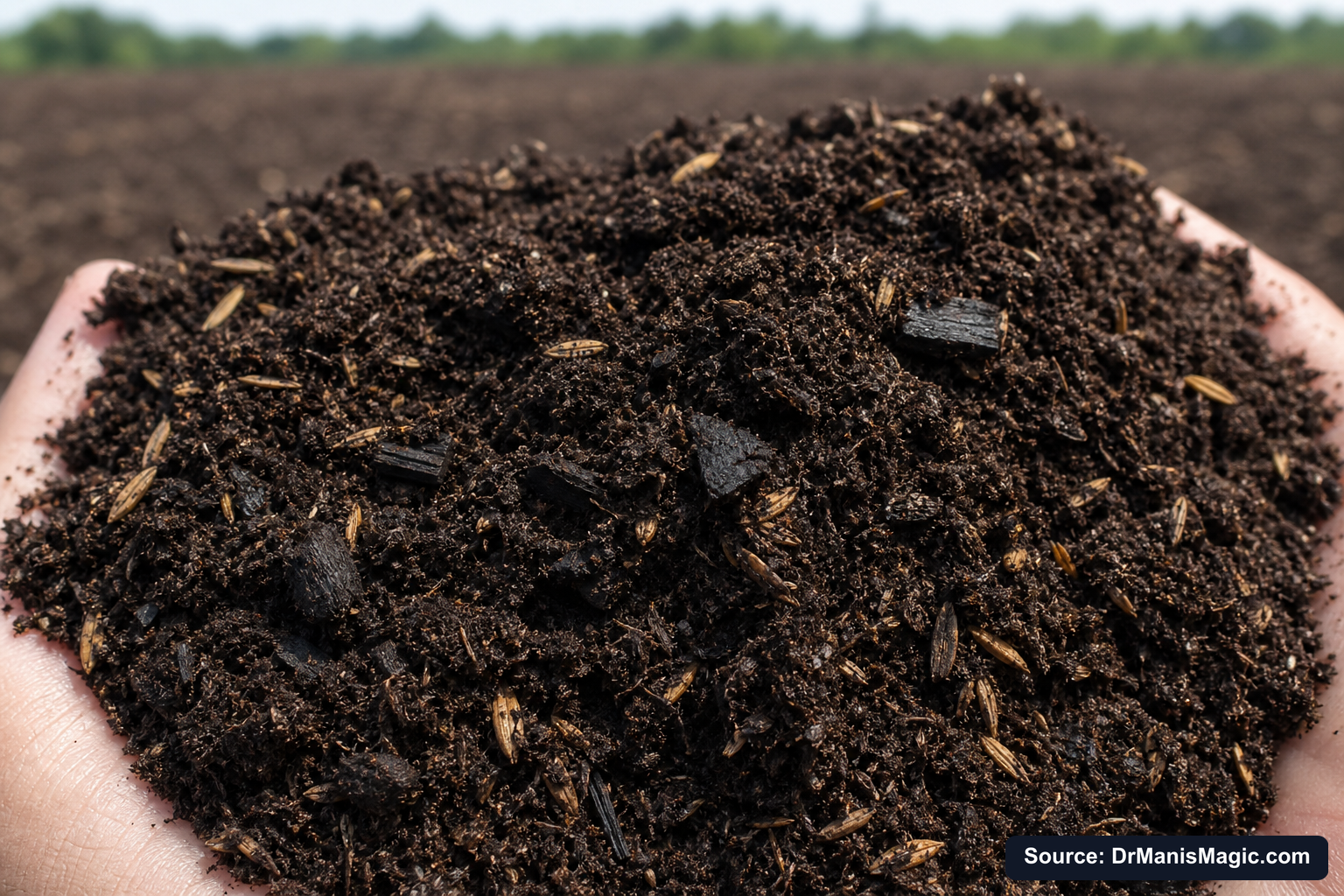
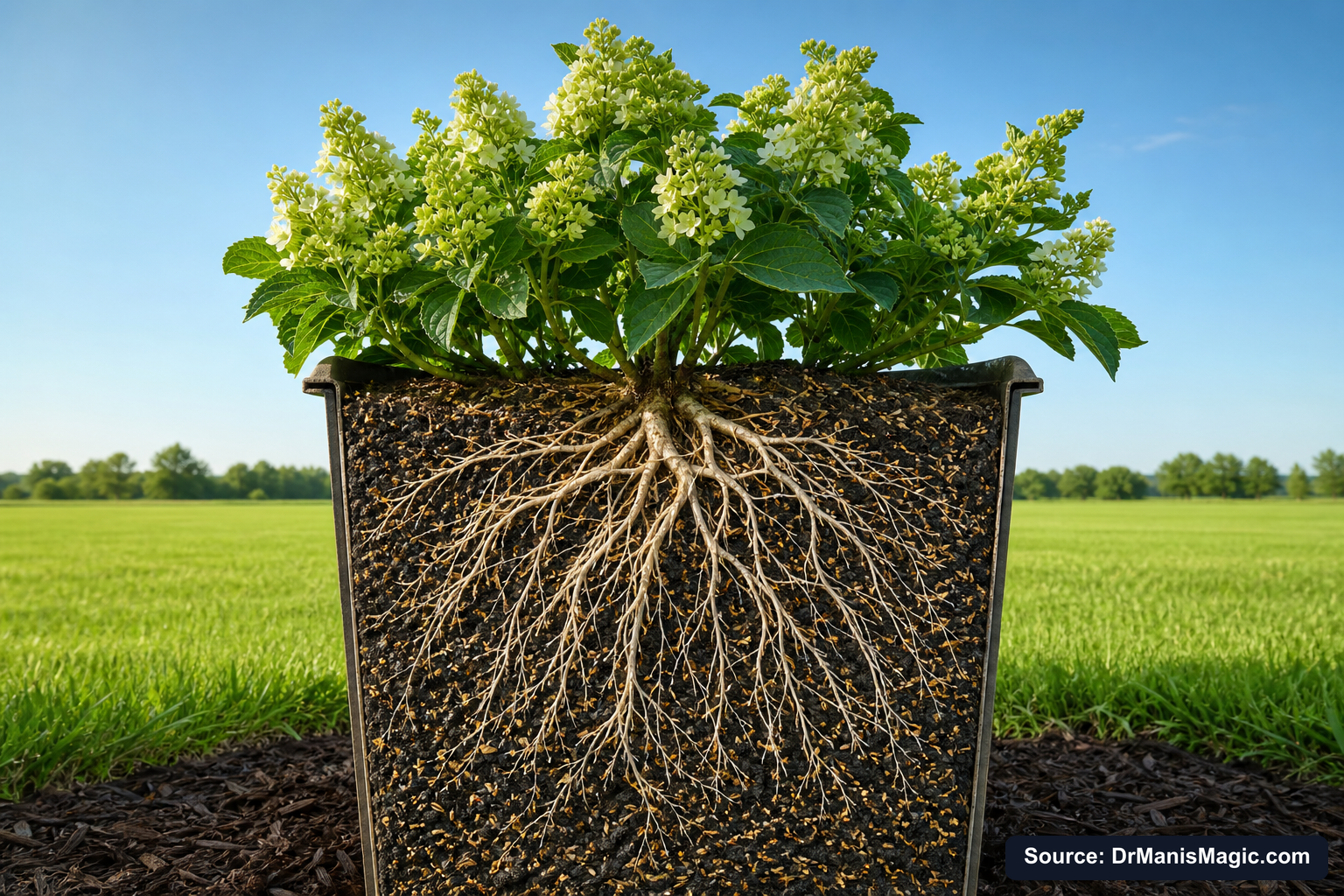
Soil structure refers to how soil particles are arranged and how much air space exists between them. These spaces allow roots to access oxygen, absorb water, and support microbial life.
Without proper soil structure:
-
Oxygen levels decline
-
Water drainage slows
-
Root growth decreases
-
Root diseases become more common
-
Nutrient uptake becomes less efficient
Why Soil Structure Matters
Many gardeners focus on fertilizer because nutrients are visible on labels. However, roots cannot effectively use nutrients when they are deprived of oxygen.
Think of soil structure as the foundation of a house. Fertilizer is the furniture. Without a solid foundation, nothing built on top will function properly.
Soil Structure vs Fertilizer
| Soil Structure | Fertilizer |
|---|---|
| Controls oxygen availability | Supplies nutrients |
| Controls drainage | Supplies minerals |
| Supports root development | Supports plant growth |
| Determines microbial activity | Influences nutrient availability |
| Cannot be fixed by adding fertilizer | Can be added anytime |
Key Takeaway
Healthy soil structure creates the conditions roots need to absorb fertilizer effectively.
Why Roots Need Oxygen
Roots use oxygen through a process called cellular respiration. This process produces the energy required for:
-
Root growth
-
Water uptake
-
Nutrient absorption
-
Disease resistance
-
Plant development
When oxygen levels decline:
-
Root growth slows.
-
Nutrient uptake decreases.
-
Root tissue weakens.
-
Disease organisms gain an advantage.
-
Root rot becomes more likely.
What Causes Root Rot?
Root rot is usually the result of prolonged oxygen deprivation in the root zone rather than water itself.
The sequence often looks like this:
-
Soil structure collapses.
-
Drainage decreases.
-
Oxygen levels fall.
-
Root tissues weaken.
-
Pathogens invade damaged roots.
-
Visible root rot symptoms appear.
Common Signs
-
Yellow leaves
-
Stunted growth
-
Mushy roots
-
Sour soil odor
-
Slow drainage
-
Persistent wilting
Mineral Soil vs Traditional Potting Mix
Traditional Potting Mix
Most commercial potting mixes rely heavily on organic materials such as:
-
Pine bark
-
Peat moss
-
Sawdust
-
Wood fiber
These materials eventually decompose, reducing pore space and oxygen availability.
Mineral-Based Soil
Mineral-based growing media often include:
-
Pumice
-
Lava rock
-
Silica sand
-
Calcined clay
-
Rice hulls
-
Biochar
These materials maintain their structure for much longer periods, helping preserve root-zone oxygen and drainage.
The Three Plant Pillars Framework
Pillar 1: Soil Structure
Healthy roots require:
-
Drainage
-
Aeration
-
Stable pore space
-
Long-term structural integrity
Without these elements, roots struggle regardless of nutrient availability.
Pillar 2: Beneficial Microbes
Beneficial bacteria and fungi help:
-
Unlock nutrients
-
Protect roots
-
Improve soil health
-
Support nutrient cycling
Pillar 3: Organic Nutrition
Balanced organic nutrition supports:
-
Plant growth
-
Microbial activity
-
Root development
-
Long-term soil health
How to Tell If Your Soil Structure Has Failed
Physical Signs
-
Soil feels dense and compacted
-
Water pools on the surface
-
Drainage slows dramatically
-
Pot remains heavy for days
-
Roots appear brown or black
Root Inspection
Healthy roots:
-
White to cream colored
-
Firm texture
-
Fresh earthy smell
Unhealthy roots:
-
Brown
-
Black
-
Slimy
-
Foul-smelling
Best Soil Structure for Container Plants
The best container soil provides:
-
Excellent drainage
-
Stable particle size
-
Adequate moisture retention
-
Long-term aeration
-
Space for microbial activity
For long-lived container plants, structure often matters more than nutrient content because nutrients can always be added later.
Frequently Asked Questions
What is soil structure?
Soil structure refers to the arrangement of soil particles and pore spaces that influence drainage, aeration, root growth, and microbial activity.
Can fertilizer fix compacted soil?
No. Fertilizer supplies nutrients but cannot restore pore space, drainage, or oxygen flow in compacted soil.
Why do roots need oxygen?
Roots require oxygen to generate energy through cellular respiration, which powers nutrient uptake and growth.
What causes root rot?
Root rot commonly develops when roots remain in oxygen-deprived conditions for extended periods, allowing pathogens to attack weakened tissues.
Is mineral soil better than potting mix?
For many long-term container plants, mineral-based soils provide greater structural stability and aeration than decomposing organic mixes.
How often should potting soil be replaced?
Traditional organic potting mixes often begin degrading within one to two years, depending on environmental conditions.
What are the signs of poor soil structure?
Compaction, slow drainage, standing water, foul odors, and declining root health are common indicators.
Does soil structure affect nutrient uptake?
Yes. Roots require oxygen and healthy pore space to efficiently absorb nutrients.
Can beneficial microbes improve soil health?
Beneficial microbes help cycle nutrients, support root health, and improve overall soil function.
What is the most important factor for healthy roots?
Adequate oxygen availability is one of the most important factors supporting healthy root growth and function.


