


High-quality product. I used it on both my garden plants and my house plants. I also had a poinsettia that was basically dead. I added this with biochar, and within two days, I had tons of new growth. Mind blown.
~ Jessica S.

Verified Buyer

USDA Inspected

30-Day Replacement Guarantee

Free Shipping $99+
Why This Actually Works
On pests, soap isn’t cleaning — it’s pure physics. No nerve toxins, no poison.
It dissolves their armor. Soft-bodied insects are protected by a thin, waxy outer cuticle. Castile soap breaks that layer down on contact, the cell walls give way, and the pest loses its water and collapses. That’s why it’s called a contact knock-down.
It suffocates them. The same soap film coats the body and blocks the tiny pores insects breathe through. Between losing their water and losing their air, they don’t recover.
It hits the young hardest. Nymphs, larvae, crawlers, and eggs are soft and thin-skinned — the most vulnerable stage there is. A thorough spray wipes out the next generation before it matures, which is how you actually break the cycle instead of fighting it forever.
It makes your other sprays stick. As a surfactant, a little soap breaks the surface tension on a waxy leaf so sulfur and DE spread into an even coat and stay where pests travel, instead of beading off.
Contact only, no residue. We’ll be straight: soap only works where it lands and leaves nothing behind. So spray thoroughly — tops and undersides — and reapply to catch new hatches.
That’s the how. Here’s the list of what it clears.
What It Controls
Honestly? Most of the soft-bodied pests that plague a garden. Here are the big ones.
Aphids
Spider mites & citrus red mites
Rust & broad mites
Whiteflies
Mealybugs
Soft scale crawlers (young)
Thrips
Psyllids & leafhoppers
Spittlebugs
Young soft-bodied larvae
It works on soft-bodied pests and their young — not hard-shelled adults like mature beetles. And it’s gentle on the plant: at proper dilution it clears the pests without burning tender growth. It’s the soap we spray across our own 250,000 citrus trees — the one Dr. Mani trusts on the trees that feed his own family.
Real Soap vs. Petroleum “Soap”
Most of what’s sold as “soap” today isn’t soap at all.
True soap is made from oils. Castile soap is what you get when you saponify plant oils — olive, coconut, sunflower, castor — with potassium hydroxide. That’s the whole recipe. Ours finishes with a little organic aloe to soften it further.
“Detergents” are made from petroleum. Most bottles on the shelf are synthetic detergents built from crude-oil surfactants, then loaded with sulfates, fragrances, dyes, and preservatives. They clean — but they’re harsh on skin, on plants, and on waterways.
Gentle by nature. Because castile is just saponified oils, it’s mild enough for bare hands and delicate plants and breaks down instead of lingering. That’s the difference that lets you spray it on food crops and citrus.
Nothing hidden. Water, potassium hydroxide, organic sunflower / coconut / olive / castor oils, organic aloe, and a touch of acid to balance it. That’s the entire label — you can read every word.
One Bottle, Many Jobs
This is the most useful bottle you’ll own. Here’s everywhere it goes.
Outdoor pest spray. Mix it into your diatomaceous earth and/or micronized sulfur spray. The soap helps the mix coat and cling to leaves, so DE and sulfur stay where the pests are instead of washing off.
Indoor pest spray. Used on its own, it’s a gentle knock-down for houseplant pests — and far more cost-effective than going through bottles of rubbing alcohol on mealybugs and mites.
Around the house. It’s real soap. Use it for dishes, hand-washing, and surfaces — the same gentle bottle does double duty under the sink.
One organic soap for the garden and the home. That’s the whole point of it.
4.9/5

278 Reviews
Castile Soap
Living Microbes for Your Soil · 1,227 Species
Organic Castile Soap · Garden, Home & Everywhere
$29.95

How to Use

Customer Support

Packaging

The product works well and helps citrus stay healthy and grow.
~ Ann L.
Verified Buyer
One gentle bottle. The bugs, the spray, the dishes — handled.
Look under your sink: a different harsh bottle for every job, each one full of petroleum, sulfates, and words you can’t pronounce. Now look at your plants — covered in soft little pests you don’t want to nuke with chemicals. There’s one old-fashioned soap that does both — gentle enough for your tomatoes and your hands, tough enough to clear an infestation.
A gentle, contact knock-down for aphids, mites, whiteflies, mealybugs and more — and the eggs and young they leave behind.
In the garden it also makes your sulfur or DE spray stick to the leaf instead of beading off.
Real plant-based soap, so the same biodegradable bottle cleans your dishes, your hands, and your home.
It’s gentle on the plant and brutal on soft-bodied pests — which is exactly why we spray it across our own 250,000 citrus trees. It’s what Dr. Mani uses himself.

Made in USA

No Synthetic Chemicals

60-Day Guarantee
Size
1-gal
Most Popular
Subscribe and Save!
Save 30%
- 30% off today. Then 15% off for life.
- Get 5% cashback as store credit on every order
- Easily skip, pause, or cancel anytime
One-time purchase

Quantity
Pay in 4 interest-free installments of $14.99 with

Yes — about as safe as a soap gets, for you and for your plants.
It’s saponified organic plant oils and a touch of aloe. No petroleum, no sulfates, no synthetic fragrance or dye. Gentle on hands, fully biodegradable.
Safe for plants too. At the right dilution it clears pests without harming tender growth — it’s the soap we spray across our own 250,000 citrus trees. Still, any soap can stress sensitive leaves in strong sun or high heat, so spray in the cool of the day and spot-test a new plant first.
The honest test: it’s what Dr. Mani uses on the citrus that feeds his own family — and what we reach for at the sink.

60-Day "Watch It Grow" Guarantee
250,000+ Commercial Plants Grown
Made By Hand in Hargill, Texas (pop. 461)
Founded By a Texas A&M Professor Emeritus
No PFAS Synthetic Salts
Pet Safe
60-Day "Watch It Grow" Guarantee
250,000+ Commercial Plants Grown
Made By Hand in Hargill, Texas (pop. 461)
Founded By a Texas A&M Professor Emeritus
No PFAS Synthetic Salts
Pet Safe
HOW TO USE IT
A little goes a long way. Here’s the strength for each job.
Standard spray
2–3 oz per gallon of water. Good for most soft-bodied pests and as a sticker for DE or sulfur.
Tough pests
Go up to 5 oz per gallon for stubborn pressure like citrus red mites. Don’t push past 5.
Mix for outdoors
Add it to your diatomaceous earth and/or micronized sulfur spray so the mix coats and clings to the leaf.
Indoors & home
Use a light soap spray on houseplant pests by itself — cheaper and gentler than alcohol. Same bottle washes dishes, hands, and surfaces.
A little soap makes a lot of spray.
Pairs with Diatomaceous Earth and Micronized Sulfur as the sticker that makes them work — and stands alone for indoor pests and everyday cleaning.
A couple of pointers
Spray it directly on the pests — tops and undersides of leaves. It only works on contact, so coverage is everything, and reapply to catch new hatches.
Spray in the cool of the day, not in hot sun. Any soap can stress leaves in heat. Spot-test a sensitive plant first.
Higher isn’t better on foliage. Stay within 2–5 oz per gallon.
Picture Your Garden Now.
10,000 gardeners changed one thing. What went into their soil. This is what happened next.
The citrus tree everyone said was dead.
Your neighbor leans over the fence. "What are you doing different over here?"
You smile.
The greenest lawn on the street.
No chemicals. No guessing. Just the right microbes in the soil.
Now the kids run barefoot.
The blossoms strangers photograph.
Someone stops to take in the view.
You let them.
The greenest lawn on the street.
No chemicals. No guessing. Just the right microbes in the soil.
Now the kids run barefoot.
The blossoms strangers photograph.
Someone stops to take in the view.
You let them.
Frequently Asked Questions
What can I actually use this castile soap for?
More than you’d expect from one bottle. In the garden it’s a gentle, contact knock-down for soft-bodied pests like aphids and mites — and a sticker that makes your DE or sulfur spray cling to leaves instead of beading off.
Indoors it clears houseplant pests. And because it’s real soap, the same bottle washes your dishes, your hands, and your home. One organic soap, a dozen jobs.
How does it actually work on pests?
It’s pure physics, not poison. Soft-bodied insects are protected by a thin, waxy coating — castile soap breaks that down on contact, the cell walls give way, and the pest dries out. The same soap film also coats the body and blocks the pores they breathe through, so they suffocate.
And it hits the young hardest: soft nymphs, larvae, and eggs are the most vulnerable stage there is, so a thorough spray takes out the next generation too — which is how you break the cycle.
What pests does it work on?
Most of the soft-bodied ones that plague a garden: aphids, spider mites and citrus red mites, rust and broad mites, whiteflies, mealybugs, young soft scale crawlers, thrips, psyllids, leafhoppers, spittlebugs, and young larvae.
It works on soft-bodied pests and their young — not hard-shelled adults like mature beetles. For tougher pressure like citrus red mites, just mix it a little stronger.
How much do I mix per gallon?
Start with 2–3 oz per gallon of water for most soft-bodied pests and as a sticker for DE or sulfur. For stubborn pressure like citrus red mites, go up to 5 oz per gallon — but don’t push past 5.
A little goes a long way, and stronger isn’t better on foliage — too concentrated and you can stress the leaf you’re trying to protect.
Can I mix it with my diatomaceous earth and sulfur?
That’s one of its best jobs. On a waxy leaf, DE and sulfur sprays tend to bead up and roll right off. A couple ounces of soap per gallon breaks the surface tension so the mix spreads into an even coat and clings where pests travel.
The soap is what makes your other sprays actually work. Coverage is everything, and this is how you get it.
Can I use it indoors on houseplants?
Yes — and it’s a smart swap. Used on its own, a light soap spray is a gentle knock-down for houseplant pests like mealybugs and mites.
It’s far more cost-effective than going through bottles of rubbing alcohol — and it won’t dry out your plant the way alcohol can.
What’s the difference between this and regular soap or dish soap?
Most “soap” on the shelf isn’t soap at all — it’s a synthetic detergent built from petroleum surfactants, then loaded with sulfates, fragrances, and dyes.
True castile soap is just saponified plant oils — olive, coconut, sunflower, castor — with a little aloe. That’s why it’s gentle enough for bare hands, delicate plants, and food crops, and breaks down instead of lingering.
Is it safe for my kids, pets, and edible garden?
Yes. It’s saponified organic plant oils and a touch of aloe — no petroleum, no sulfates, no synthetic fragrance or dye. Gentle on hands and fully biodegradable.
Used at the right strength, it’s safe around children and pets and on the food crops you spray. As with anything, give edibles a rinse before they hit the table.
Can I really use it for dishes and around the house?
Absolutely — it’s real soap, so it does double duty. Dishes, hand-washing, surfaces, everyday household cleaning.
One gentle, biodegradable bottle under the sink instead of a shelf full of harsh, single-use ones.
Is it organic, and what’s in it?
Water, potassium hydroxide, organic sunflower, coconut, olive, and castor oils, organic aloe, and a touch of acid to balance it. That’s the whole label — you can read every word.
It’s organic and made in the USA. We’ll be straight with you: we don’t manufacture it ourselves — we source a true castile soap that meets our standard and put it under our name, because we use it every day, on the trees and in the kitchen.


Try It. Love Your Garden.
Or We Pay.
I know you've been let down before.
That's why I want you to try our Watch It Grow Guarantee for 60 days.
If you don't see new growth, vibrant colors, and your plants coming back to life, we will refund you completely.
Every dollar. No forms. No hassle. Email us once. We refund within 24 hours. Because your results are the only marketing that matters to us.
We've never worried about this guarantee. Our products work.
This is from our small family farm in Hargill, Texas. Our reputation is everything.

Dr. Mani Skaria, PhD
Plant Pathologist · Professor Emeritus
USDA NAREEE Advisory Board Member · Micro-budding Inventor
GET My THREE Plant PILLARS SYSTEM

Free Field Guide
You Never Had a
Brown Thumb.
You were handed the wrong tools. This free guide hands you the right ones.
You watered it. You fed it. It died anyway.
It was never you. It was the dirt, the salt food, and the bad advice.
This guide shows you what really went wrong, and how to fix it for good.
Inside the free guide
Why your plants really died, and why it was never your fault
The salt hiding in your plant food that quietly burns the roots
The hidden killer in almost every bag of store soil
The tiny helpers that grow a whole forest for free
The rescue trick that brings a half dead plant back to life
Customer Reviews
Excited to try this much healthier alternative for protecting my beloved citrus trees from destructive pests! My trees perked up in the days following my using this wonderful product! Excellent packaging & quick delivery time as well!
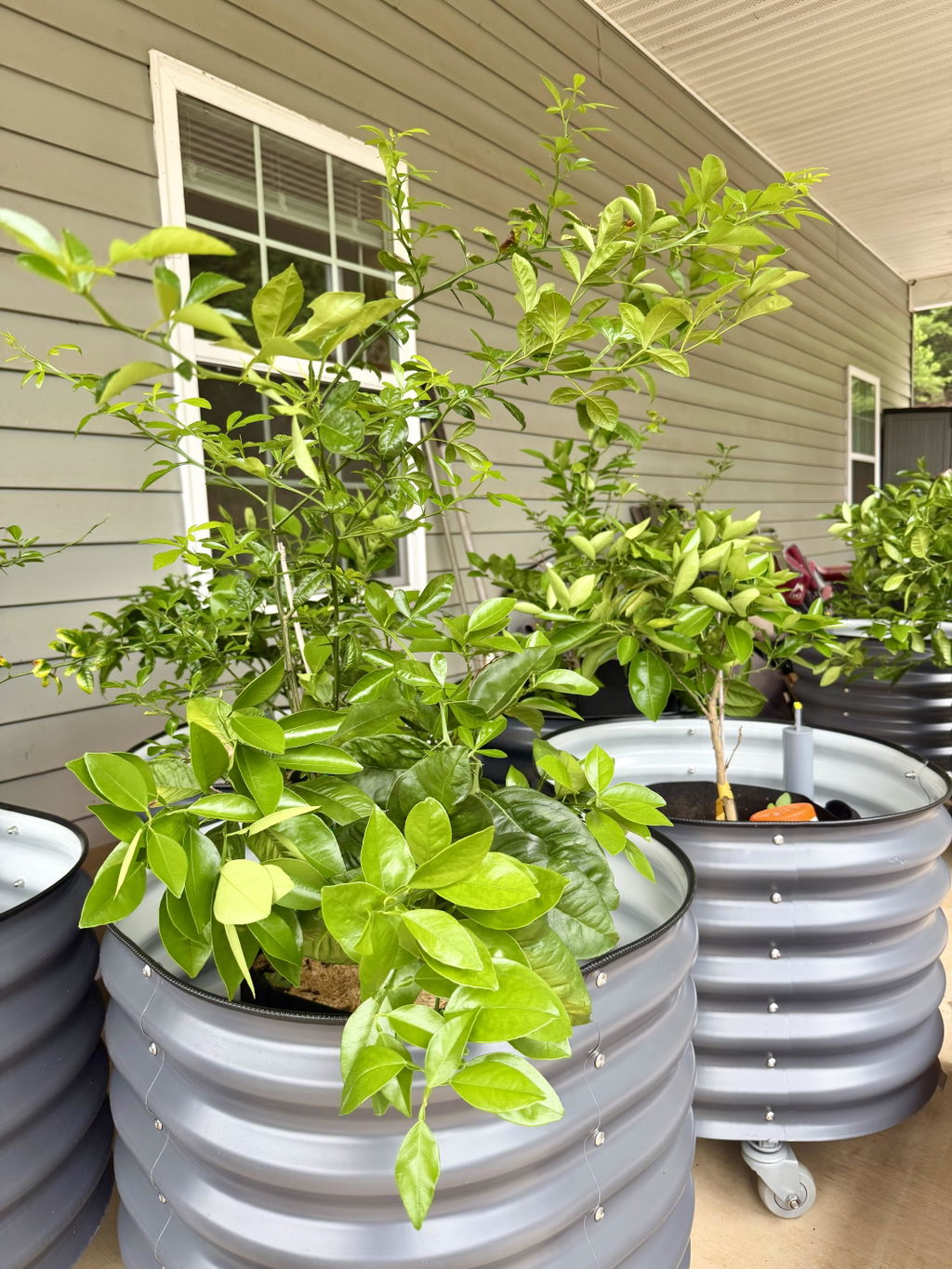
Healthy trees and happy customers—that’s what we love to hear! Thanks for the wonderful 4-star review!


